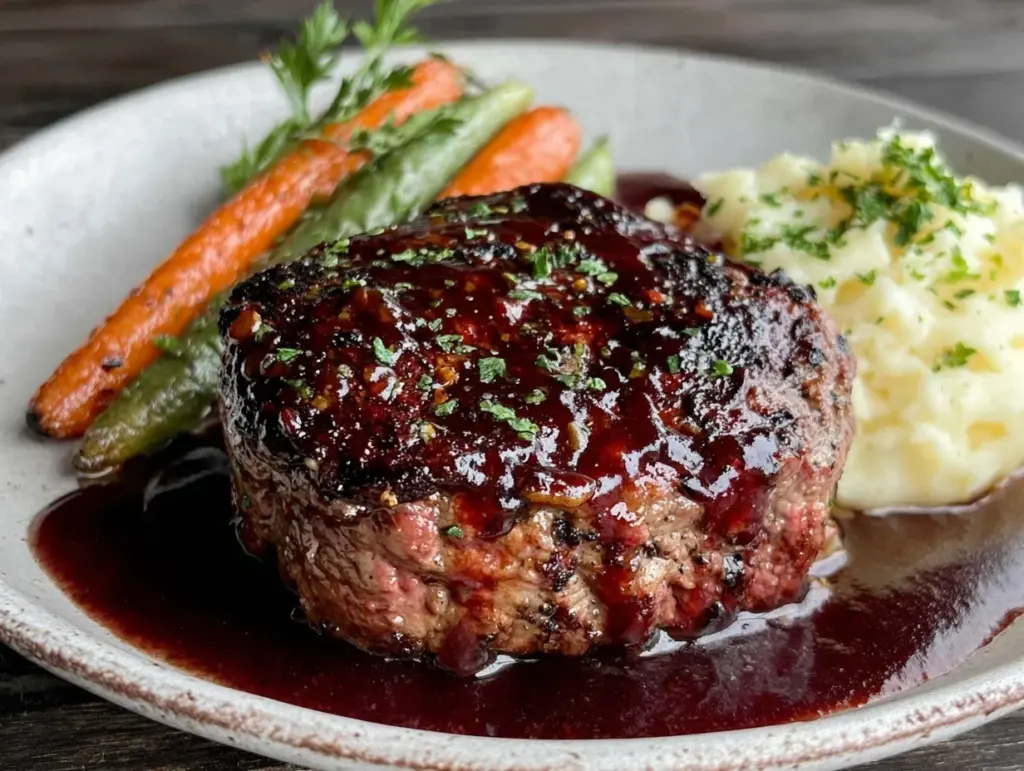
The first time I tried making filet mignon at home, I was honestly a bit nervous. You know, that feeling when you pull a thick, beautiful cut of beef out of the package and suddenly it feels like a tiny dinner party is riding on your shoulders? I didn’t want to mess it up. I had a leftover bottle of red wine, and by some happy accident, I ended up simmering it down into this rich, velvety sauce that paired so well with the tender steak, it was like a little celebration on a plate. What started as a slightly intimidating dinner turned into a quiet, satisfying win — the kind that makes you believe you really can cook restaurant-quality meals at home.
Since then, I’ve made this perfect filet mignon with rich red wine reduction more times than I can count—sometimes multiple times in a week when craving hits hard. The combination of the buttery, melt-in-your-mouth steak and that deeply flavorful sauce is just something else. It’s not flashy or complicated, but it feels special every single time. This isn’t one of those recipes you just throw together and forget; it’s the kind that stays with you, the kind you want to make for someone to show you care, or even just for yourself on a night that calls for a little indulgence.
Cooking this filet mignon taught me to be patient, to trust the process, and to appreciate how simple ingredients can come together to create something so wonderfully comforting. It’s a quiet ritual now, and I hope that after trying this recipe, it becomes a little ritual for you, too.
Why You’ll Love This Recipe
- Quick & Easy: Comes together in about 30 minutes, perfect for those nights when you want something fancy but don’t want to spend hours in the kitchen.
- Simple Ingredients: No exotic items here—just good quality steak, a bottle of red wine, and pantry staples you probably already have.
- Perfect for Special Occasions: Whether it’s an anniversary, a date night at home, or impressing guests without stress, this recipe fits the bill.
- Crowd-Pleaser: Even folks who usually shy away from steak love this tender, flavorful dish.
- Unbelievably Delicious: The red wine reduction adds a rich, silky finish that turns the steak into something truly memorable.
What makes this recipe stand out is the technique behind the sauce. Instead of just pouring wine over the steak or making a quick pan sauce, the wine is reduced slowly with aromatics, creating a concentrated flavor that clings to the meat perfectly. Plus, the steak is seared just right to get that gorgeous crust while staying juicy inside. Honestly, it changed how I think about cooking filet mignon at home—it’s no longer scary or complicated, just straightforward and rewarding.
This recipe isn’t just a meal; it’s a little moment of joy, the kind that makes you pause and savor every bite. That’s why it’s stuck with me—and why I think you’ll love it, too.
What Ingredients You Will Need
This recipe uses simple, wholesome ingredients to deliver bold flavor and satisfying texture without the fuss. Most of these are pantry staples or easy-to-find items, and I’ll mention a few tips to help you pick the best versions.
- Filet mignon steaks: 2 steaks, about 6 ounces (170 grams) each, ideally 1.5 to 2 inches thick for that perfect sear and tender center.
- Salt and freshly ground black pepper: For seasoning—don’t be shy; seasoning well is key.
- Unsalted butter: 2 tablespoons (use high-quality butter like Kerrygold for richness).
- Olive oil: 1 tablespoon (extra virgin for flavor, but regular olive oil works fine).
- Shallots: 2 tablespoons, finely chopped (adds subtle sweetness to the sauce).
- Garlic: 1 clove, minced (fresh is best for that punch of aroma).
- Red wine: 1 cup (240 ml) dry red wine like Cabernet Sauvignon or Merlot. Choose a bottle you’d enjoy drinking since it impacts the sauce flavor.
- Beef broth: 1/2 cup (120 ml) — homemade or low-sodium store-bought works well to add depth.
- Fresh thyme: 2-3 sprigs (for that earthy herbal note).
- Optional: A teaspoon of Dijon mustard stirred into the sauce at the end for extra tang and complexity.
If you want to switch things up, you can use vegan butter and vegetable broth to make the sauce dairy-free, or swap out thyme for rosemary if that’s what you have on hand. The key is fresh, quality ingredients that complement the natural flavor of the steak.
Equipment Needed
- Heavy skillet or cast-iron pan: A good-quality cast iron skillet is ideal for getting that perfect sear on the filet mignon. If you don’t have one, a heavy stainless steel pan will do, but avoid nonstick for searing.
- Tongs: For flipping the steaks gently without piercing the meat, which helps keep the juices inside.
- Small saucepan: To reduce the red wine sauce separately—this helps control the sauce consistency and flavor intensity.
- Meat thermometer: Optional, but highly recommended for checking doneness without cutting into the steak.
- Whisk or spoon: For stirring the sauce and finishing it off smoothly.
- Cutting board and sharp knife: For prepping shallots and garlic.
Personally, I’ve found that investing in a cast iron skillet was a game-changer. It holds heat evenly and helps develop that golden crust. If you’re on a budget, some store-brand stainless steel pans can still get the job done. Just make sure your pan is hot before adding the steak. Also, keep your tools clean and well-maintained—cast iron needs seasoning now and then, but it’s worth it for the flavor.
Preparation Method
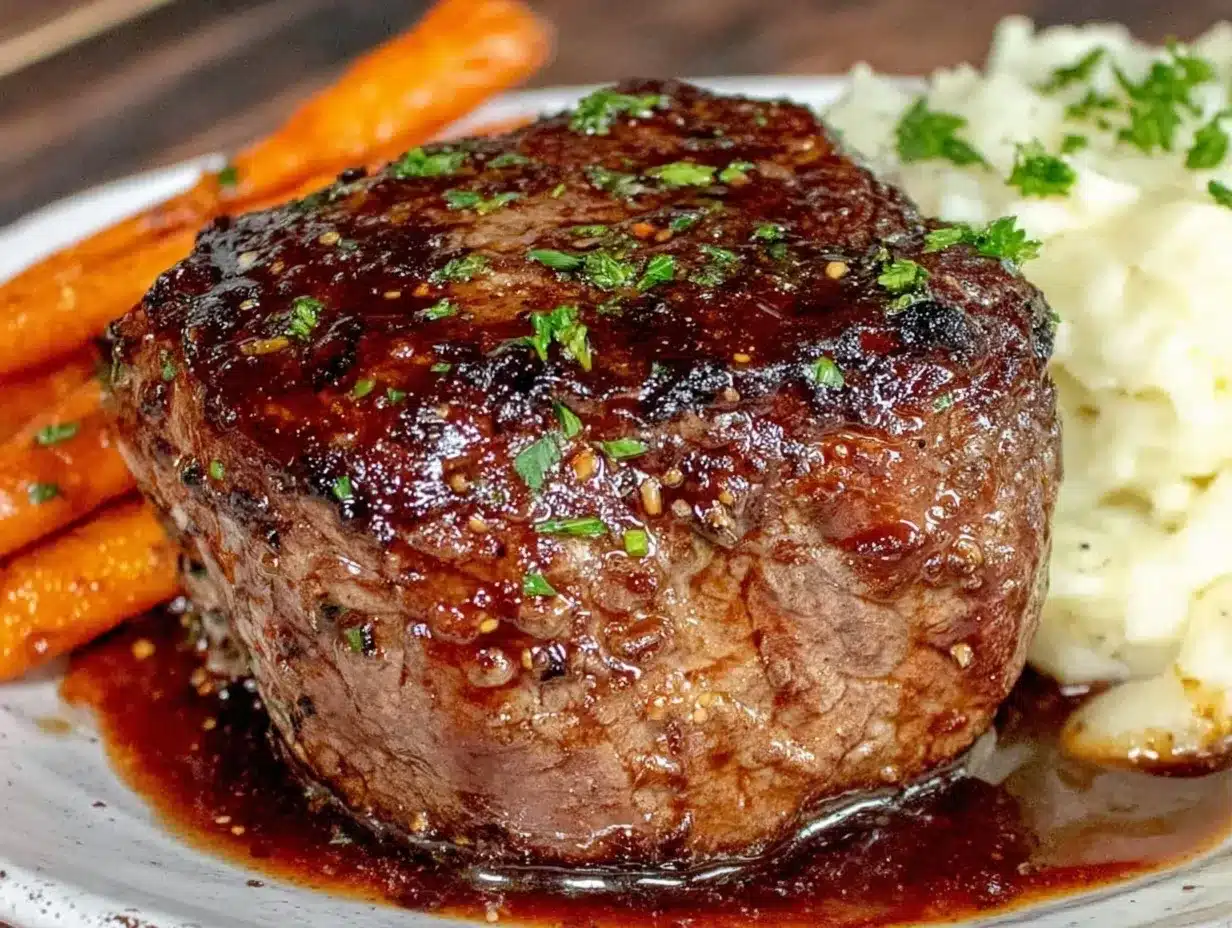
- Prepare the steaks: Take the filet mignon out of the fridge about 30 minutes before cooking to bring it to room temperature. Pat dry with paper towels and season generously with salt and pepper on all sides. This step is crucial to get a good sear and develop flavor. (Time: 30 minutes)
- Preheat your skillet: Place your cast iron or heavy skillet over medium-high heat and let it get very hot—this usually takes around 5 minutes. A hot pan helps create a beautiful crust. Add olive oil and swirl to coat the bottom.
- Sear the steaks: Place the steaks in the pan and let them cook undisturbed for about 3-4 minutes on the first side until a rich, brown crust forms. Flip with tongs and add 1 tablespoon of butter. Spoon melted butter over the steaks as they cook for another 3-4 minutes for medium-rare. Adjust time if steaks are thicker or thinner. (Tip: Use a meat thermometer aiming for 130°F/54°C for medium-rare.)
- Rest the steaks: Remove steaks from the pan and let them rest on a warm plate, loosely tented with foil, for 5-7 minutes. This allows juices to redistribute, keeping the meat tender and juicy.
- Make the red wine reduction: While the steaks rest, reduce heat to medium and add the chopped shallots and garlic to the same skillet. Sauté for 1-2 minutes until softened and fragrant, scraping up any browned bits (that’s flavor gold). Pour in the red wine and beef broth, add thyme sprigs, and simmer gently. Let it reduce by about half, which usually takes 10-12 minutes, until sauce thickens and coats the back of a spoon.
- Finish the sauce: Remove thyme sprigs, lower heat, and whisk in remaining butter off the heat until glossy and smooth. If using, stir in Dijon mustard. Taste and season with salt and pepper as needed. This step adds richness and balances acidity.
- Serve: Spoon the warm red wine reduction over the rested filet mignon steaks. Add a final sprinkle of fresh thyme or cracked pepper if you like. (Time: 2 minutes)
Quick tip: If your sauce gets too thick or sticky, stir in a splash of beef broth to loosen it. And don’t rush the resting step—it’s the difference between dry steak and juicy perfection.
Cooking Tips & Techniques
Cooking filet mignon can feel intimidating, but a few tricks make all the difference. First, drying the steak thoroughly before seasoning helps the crust form better. Trust me, if the steak’s wet, it’ll steam instead of sear.
Another thing—don’t overcrowd the pan. If you’re cooking multiple steaks, give each some elbow room. Crowding cools down the pan and prevents that perfect crust.
Using butter to baste during the last minute or two of cooking not only adds flavor but also helps develop a beautiful brown color. I usually tilt the pan slightly and spoon the melted butter over the steak, which feels fancy but is actually pretty easy.
When reducing the wine sauce, simmer gently rather than boil hard to avoid bitterness. And scraping those browned bits from the pan after searing is key—they’re packed with flavor and give the sauce depth.
Lastly, patience is your friend here. Rushing steak off the pan or skipping the resting period almost always leads to dry meat. Let the juices settle, and you’ll be rewarded with tender, juicy bites every time.
Variations & Adaptations
- Herb Butter Twist: Mix softened butter with chopped herbs like parsley, chives, and tarragon, then top the steak with a dollop just before serving for an extra layer of flavor.
- Gluten-Free Option: The sauce is naturally gluten-free, but double-check your beef broth label to avoid any hidden gluten.
- Vegan Version: Try substituting the filet mignon with thick-cut portobello mushrooms or seitan steaks and use vegan butter and vegetable broth for the sauce.
- Spicy Kick: Add a pinch of red pepper flakes to the red wine reduction while simmering to give the sauce a subtle heat.
- Seasonal Twist: In fall, add a splash of balsamic vinegar or a teaspoon of cranberry preserves to the sauce for a warm, fruity note.
One of my favorite personal tweaks is adding a touch of smoked paprika to the steak seasoning for a subtle smoky flavor. It’s unexpected but really works well with the richness of the red wine sauce.
Serving & Storage Suggestions
Serve your filet mignon hot, right after resting and saucing, ideally on a warm plate to keep the steak cozy. I like pairing it with creamy mashed potatoes or roasted asparagus—simple sides that let the steak shine.
For drinks, a glass of the same red wine you used in the sauce is a natural match. A light-bodied Pinot Noir or a fuller-bodied Cabernet Sauvignon both work beautifully.
If you have leftovers (which is rare!), wrap the steak tightly in foil and store in the refrigerator for up to 2 days. The sauce can be stored separately in an airtight container.
Reheat gently in a skillet over low heat or in a warm oven at 275°F (135°C) to avoid overcooking. The sauce can be warmed on the stove over low heat, adding a splash of broth if it’s gotten too thick.
Interestingly, the flavors of the red wine reduction deepen if you make it a few hours ahead and reheat—sometimes I make the sauce first and keep it warm while cooking steaks for a more harmonious meal.
Nutritional Information & Benefits
A 6-ounce (170g) filet mignon steak typically contains around 350-400 calories, with about 30 grams of protein and 25 grams of fat, depending on trimming and cooking method. The red wine reduction adds minimal calories but packs antioxidants from the wine.
This recipe is high in protein, which supports muscle repair and satiety. Using unsalted butter and moderate salt helps keep sodium in check. If you’re watching carbs, this meal is naturally low-carb and gluten-free.
Filet mignon is a lean cut, making it a good choice when you want indulgence without excess fat. The thyme adds a touch of vitamin C and iron, while garlic can support immune health.
From a wellness perspective, this dish balances richness with real ingredients and can be part of a thoughtful, delicious approach to eating.
Conclusion
This perfect filet mignon with rich red wine reduction isn’t just a recipe; it’s a reliable way to treat yourself or loved ones to something truly special without complicated steps. The combination of juicy, tender steak and that luscious, deeply flavored sauce makes every bite feel like a celebration, even on an ordinary night.
I’ve loved sharing this recipe because it’s approachable yet impressive, and I hope you make it your own with little tweaks and twists. Don’t be afraid to experiment or serve it with your favorite sides.
Give it a try, and let me know how it turned out in the comments—whether you stuck to the classic or added your own flair. Here’s to many cozy, delicious meals ahead!
FAQs
How do I know when my filet mignon is cooked perfectly?
The best way is to use a meat thermometer. For medium-rare, aim for an internal temperature of 130°F (54°C). Remember that the steak will continue to cook slightly while resting.
Can I use a different wine for the red wine reduction?
Yes! Just pick a dry red wine you enjoy drinking. Cabernet Sauvignon, Merlot, or Pinot Noir all work well. Avoid sweet wines as they can alter the sauce’s flavor balance.
What if I don’t have a cast iron skillet?
A heavy-bottomed stainless steel pan is a good alternative. Avoid nonstick pans for searing, as they don’t get hot enough to form a proper crust.
Can I prepare the red wine reduction ahead of time?
Absolutely. You can make the sauce a few hours in advance and gently reheat it before serving. Just add a splash of broth if it thickens too much.
Is filet mignon suitable for a low-carb diet?
Yes! Filet mignon is naturally low in carbohydrates, and this recipe contains no added sugars, making it perfect for low-carb or ketogenic diets.
Pin This Recipe!
Perfect Filet Mignon Recipe with Rich Red Wine Reduction
A simple yet elegant recipe for tender filet mignon paired with a rich, velvety red wine reduction sauce. Perfect for special occasions or an indulgent weeknight meal.
- Prep Time: 30 minutes
- Cook Time: 20 minutes
- Total Time: 50 minutes
- Yield: 2 servings 1x
- Category: Main Course
- Cuisine: American
Ingredients
- 2 filet mignon steaks, about 6 ounces (170 grams) each, 1.5 to 2 inches thick
- Salt and freshly ground black pepper, to taste
- 2 tablespoons unsalted butter (high-quality like Kerrygold recommended)
- 1 tablespoon olive oil (extra virgin preferred)
- 2 tablespoons shallots, finely chopped
- 1 clove garlic, minced
- 1 cup (240 ml) dry red wine (Cabernet Sauvignon, Merlot, or Pinot Noir)
- 1/2 cup (120 ml) beef broth (homemade or low-sodium store-bought)
- 2–3 sprigs fresh thyme
- Optional: 1 teaspoon Dijon mustard
Instructions
- Take the filet mignon out of the fridge about 30 minutes before cooking to bring to room temperature. Pat dry with paper towels and season generously with salt and pepper on all sides.
- Preheat a cast iron or heavy skillet over medium-high heat for about 5 minutes until very hot. Add olive oil and swirl to coat the bottom.
- Place the steaks in the pan and cook undisturbed for 3-4 minutes until a rich brown crust forms. Flip the steaks, add 1 tablespoon butter, and spoon melted butter over the steaks as they cook for another 3-4 minutes for medium-rare. Use a meat thermometer aiming for 130°F (54°C) for medium-rare.
- Remove steaks from the pan and let rest on a warm plate, loosely tented with foil, for 5-7 minutes.
- Reduce heat to medium and add chopped shallots and garlic to the same skillet. Sauté for 1-2 minutes until softened and fragrant, scraping up browned bits.
- Pour in red wine and beef broth, add thyme sprigs, and simmer gently until reduced by half, about 10-12 minutes, until sauce thickens and coats the back of a spoon.
- Remove thyme sprigs, lower heat, and whisk in remaining butter off the heat until glossy and smooth. Stir in Dijon mustard if using. Season with salt and pepper to taste.
- Spoon the warm red wine reduction over the rested filet mignon steaks. Garnish with fresh thyme or cracked pepper if desired.
Notes
Bring steaks to room temperature before cooking for even doneness. Use a meat thermometer to check for medium-rare at 130°F (54°C). Rest steaks after cooking to retain juices. Reduce wine sauce gently to avoid bitterness. If sauce thickens too much, add a splash of beef broth to loosen. Avoid overcrowding the pan to ensure a good sear.
Nutrition
- Serving Size: 1 filet mignon steak
- Calories: 400
- Sugar: 1
- Sodium: 300
- Fat: 25
- Saturated Fat: 12
- Carbohydrates: 3
- Protein: 30
Keywords: filet mignon, red wine reduction, steak recipe, easy steak, special occasion dinner, cast iron skillet, medium-rare steak