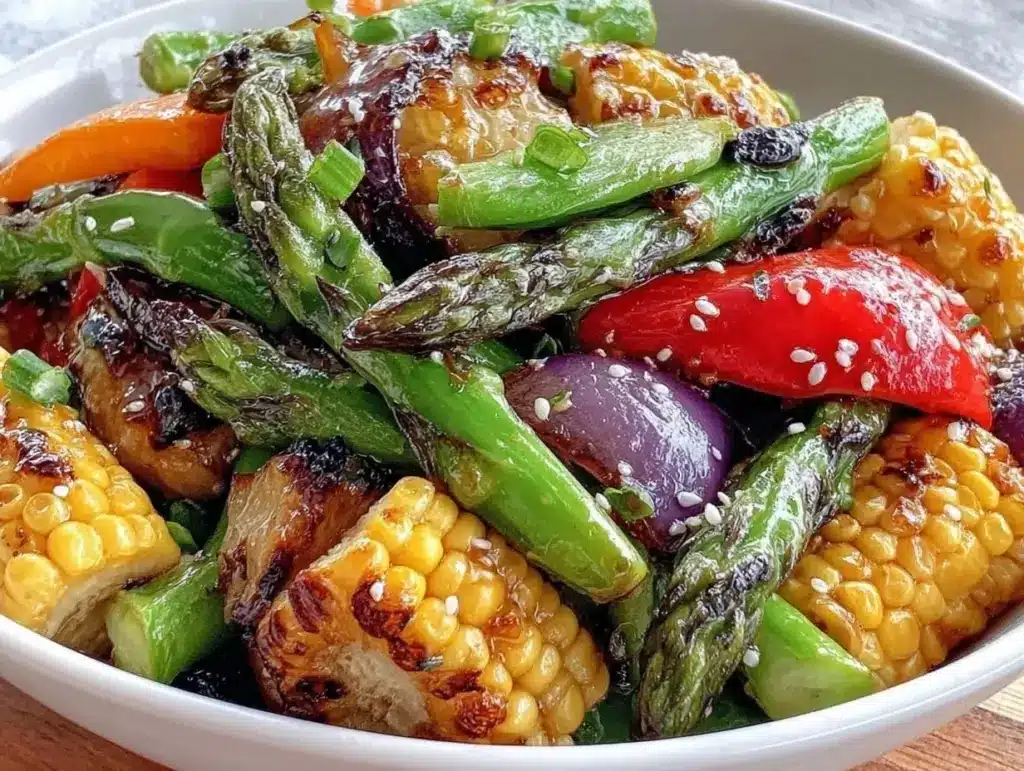
There was this one evening when the day just slipped away from me—work ran late, the sky dimmed faster than I expected, and honestly, the thought of turning on the oven was the last thing on my mind. I opened the fridge, hoping for something that wouldn’t demand much fuss or time. That’s when a handful of spring veggies caught my eye—bright snap peas, tender asparagus tips, and those sweet baby carrots I’d picked up on a whim last weekend. I figured, why not toss them all together quickly? What started as a ‘let’s just throw something together’ moment turned into this quick spring vegetable stir fry that’s since become my go-to for fresh, vibrant meals that you can whip up in 20 minutes or less.
Honestly, the way the veggies sizzle and pop in the hot pan, releasing that fresh, green aroma, makes the whole kitchen feel alive. And the colors? They’re like a little celebration right on your plate—crisp greens, bright oranges, and pops of red from the bell peppers. It’s a dish that feels light but satisfying, perfect for those nights when you want something nourishing without the extra effort.
That night, I realized how much a quick stir fry could reset my mood after a hectic day. It wasn’t just food; it was a small moment of calm and freshness. Since then, this recipe has stuck around, quietly becoming one of those meals I trust to bring a bit of springtime energy to the table—no matter what the day throws at me.
Why You’ll Love This Recipe
- Quick & Easy: Ready in just about 20 minutes, this stir fry is perfect when time isn’t on your side but you still want a fresh, homemade meal.
- Simple Ingredients: Uses fresh spring vegetables you can find at any local market or even your backyard garden—no need for fancy or hard-to-find items.
- Perfect for Any Occasion: Whether it’s a busy weeknight dinner, a light lunch, or a colorful side dish for a weekend gathering, this recipe fits effortlessly.
- Crowd-Pleaser: The crisp texture and vibrant flavors appeal to all ages—kids included. It’s a subtle win when everyone actually asks for seconds.
- Unbelievably Delicious: The quick stir fry technique locks in the freshness and crunch, while a simple sauce brings out a balanced savory-sweet finish that feels like spring in every bite.
This isn’t your run-of-the-mill vegetable stir fry. I’ve tweaked the sauce to have just the right hint of brightness and umami, avoiding anything too heavy or overpowering. Plus, the gentle but high-heat cooking ensures that the vegetables stay vibrant and crisp—not soggy or dull. It’s a recipe that respects the ingredients and lets their natural flavors shine.
Once you try it, you might find yourself making it more often than planned—you know, that kind of recipe that feels like a little springtime ritual on your plate.
What Ingredients You Will Need
This recipe uses simple, wholesome ingredients to deliver bold flavor and satisfying texture without the fuss. Most are pantry staples or easy to find fresh in spring markets.
- Vegetables:
- 1 cup snap peas, trimmed (look for bright green pods without blemishes)
- 1 cup asparagus tips, cut into 2-inch pieces (fresh and firm is key)
- 1 cup baby carrots, sliced diagonally (adds sweetness and color)
- 1 small red bell pepper, thinly sliced (for a pop of color and mild sweetness)
- 1 small zucchini, sliced into half-moons (adds tender texture)
- 2 scallions, sliced (for a mild oniony lift)
- For the Sauce:
- 2 tablespoons soy sauce (I prefer low-sodium Kikkoman for balanced flavor)
- 1 tablespoon toasted sesame oil (adds rich, nutty aroma)
- 1 teaspoon freshly grated ginger (gives a subtle spicy warmth)
- 1 garlic clove, minced (for that classic stir fry punch)
- 1 teaspoon honey or maple syrup (balances the saltiness with gentle sweetness)
- 1 tablespoon rice vinegar (adds brightness and tang)
- Other:
- 2 tablespoons vegetable or canola oil (neutral oil for high heat cooking)
- Sesame seeds for garnish (optional but highly recommended!)
If you’re feeling adventurous, you can swap out some veggies for whatever’s fresh—like sugar snap peas instead of regular peas, or baby corn instead of carrots. For a gluten-free option, just use tamari in place of soy sauce.
Equipment Needed
- Wok or Large Skillet: A wok is ideal for high-heat and quick cooking, but a large non-stick skillet works just as well. I’ve used both depending on the day, and both deliver great results.
- Sharp Knife: Essential for slicing vegetables quickly and safely. A chef’s knife with a good grip will make prep smoother.
- Cutting Board: A sturdy one to handle the quick chopping you’ll be doing.
- Measuring Spoons: For the sauce ingredients to get that perfect balance.
- Spatula or Wooden Spoon: To toss and stir the veggies without mashing them.
For budget-friendly options, a good skillet from any basic kitchen set works fine, and you can find decent knives at reasonable prices that hold an edge well. Keeping your knife sharp makes prep less frustrating and safer.
Preparation Method
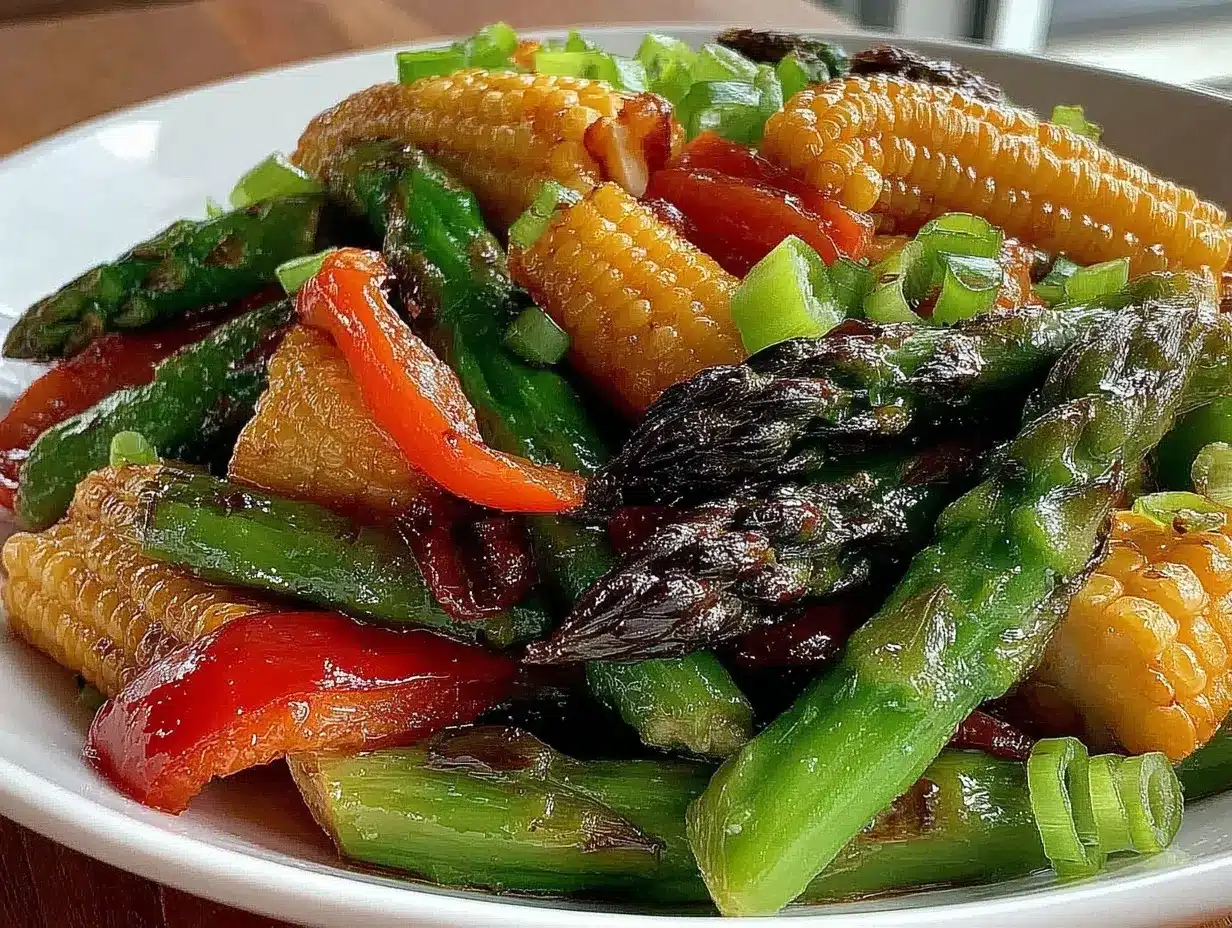
- Prepare the Vegetables (10 minutes): Wash and trim all the vegetables. Slice the baby carrots diagonally for more surface area, and cut the asparagus into 2-inch pieces so they cook evenly. Thinly slice the red bell pepper and zucchini into half-moons. Set aside the scallions for garnish.
- Make the Sauce (2 minutes): In a small bowl, whisk together soy sauce, toasted sesame oil, grated ginger, minced garlic, honey, and rice vinegar. Taste it quickly — it should be balanced with salty, sweet, and tangy notes. Adjust if needed.
- Heat the Pan (1-2 minutes): Place your wok or large skillet on the stove over medium-high heat. Add the vegetable oil and let it shimmer but not smoke. This step is crucial — too low heat and the veggies steam instead of stir-fry.
- Cook the Vegetables (5-6 minutes): Add the carrots and asparagus first since they take a bit longer to soften. Stir continuously for about 3 minutes, then add the snap peas, bell pepper, and zucchini. Keep tossing so everything cooks evenly but stays crisp. You want vibrant colors and a little bite.
- Add the Sauce (1-2 minutes): Pour the sauce over the vegetables. Stir quickly to coat everything evenly. The sauce will bubble and thicken slightly, clinging to the veggies. This is where the magic happens—watch the aroma fill your kitchen.
- Finish and Serve (1 minute): Remove from heat, sprinkle sliced scallions and sesame seeds on top. Serve immediately over steamed rice or noodles for a fuller meal.
Pro tip: If your veggies start releasing too much water, increase the heat slightly or drain off excess liquid to keep that signature stir-fry crispness. Also, don’t overcrowd the pan; if needed, cook in batches.
Cooking Tips & Techniques
Stir frying is all about speed and heat. Honestly, the biggest mistake I made the first few times was turning the heat too low—resulting in soggy veggies that lacked crunch and color. You want your pan hot enough to sear the vegetables quickly but not burn them.
Another tip: prep all your ingredients before you start cooking. Stir fry moves fast, and you won’t have time to chop once the pan’s hot.
Keep your movements brisk and consistent. Tossing the veggies every 20-30 seconds helps them cook evenly and keeps their texture intact. I also learned that adding the sauce at the very end preserves the bright flavors instead of cooking them out.
If you want to add a protein, quick-cooking options like shrimp or thinly sliced chicken breast work well. Just cook them first, remove, then stir fry the veggies, and mix everything back at the end.
Variations & Adaptations
- Protein Boost: Add tofu cubes, shrimp, or thin strips of chicken for a more filling meal. Marinate proteins briefly in a bit of soy sauce and sesame oil for extra flavor.
- Seasonal Twists: Swap spring veggies for summer squash, broccoli florets, or even baby corn depending on what’s fresh. In winter, frozen peas and carrots work surprisingly well.
- Flavor Twists: Try adding a splash of chili garlic sauce for heat, or a squeeze of fresh lime juice for zing just before serving.
- Allergen-Friendly: Use tamari for gluten-free, coconut aminos for soy-free, and swap honey with maple syrup for vegan options.
- Personal Favorite Variation: I once tossed in thinly sliced shiitake mushrooms and a handful of chopped fresh basil—unexpected but delicious, giving it a subtle earthiness and fresh herbal note.
Serving & Storage Suggestions
This quick spring vegetable stir fry is best served hot and fresh to enjoy the crisp veggies at their peak. Serve it over steamed jasmine rice, quinoa, or noodles for a complete meal. A simple side of miso soup or a crisp green salad pairs nicely without overwhelming the lightness of the stir fry.
Leftovers keep well in the fridge for up to 2 days in an airtight container. When reheating, use a hot skillet rather than the microwave to revive that fresh stir-fry texture—just a quick toss until warmed through. Avoid overcooking during reheating or the veggies will lose their snap.
Interestingly, the flavors develop subtly overnight, with the sauce soaking into the vegetables more deeply. Sometimes I find the next-day version tastes even better, especially when served cold over a bed of leafy greens for a spring salad twist.
Nutritional Information & Benefits
This quick spring vegetable stir fry is naturally low in calories and packed with fiber, vitamins, and antioxidants from the fresh vegetables. For example, asparagus and snap peas provide vitamin C and K, while bell peppers add a boost of vitamin A and folate.
The use of sesame oil offers heart-healthy fats and that lovely nutty flavor without heaviness. Low-sodium soy sauce keeps the salt content moderate, making this dish a smart choice for balanced eating.
It’s naturally gluten-free if you use tamari, and suitable for vegan or vegetarian diets without any animal products. Plus, it’s a great way to get multiple servings of veggies in one quick, colorful meal—something we all could use more of, right?
Conclusion
This quick spring vegetable stir fry recipe is one of those easy meals that quietly becomes a favorite because it just works—fresh, fast, and flavorful. It’s flexible enough to fit your pantry, your schedule, and your taste buds, which is honestly why I keep coming back to it.
Feel free to swap in your favorite veggies or add a protein to make it your own. The real joy is in how simple ingredients can come together to make something unexpectedly satisfying and bright.
Give it a try next time you want a vibrant meal without the fuss—your kitchen (and your mood) will thank you. And hey, I’d love to hear how you put your own spin on it, so don’t hesitate to drop a comment or share your version!
FAQs
Can I use frozen vegetables for this stir fry?
Yes, frozen vegetables like peas or mixed stir-fry blends can work in a pinch. Just thaw and drain excess water before cooking to avoid sogginess.
What can I serve with this spring vegetable stir fry?
It pairs beautifully with steamed rice, noodles, or quinoa. A light soup or simple salad is also a great complement.
How do I keep the vegetables crisp when stir frying?
Cook over high heat, don’t overcrowd the pan, and toss frequently. Adding sauce at the end helps maintain their crunch.
Can I make this recipe vegan?
Absolutely! Just use maple syrup instead of honey and double-check your soy sauce or tamari is vegan-friendly.
Is it possible to meal prep this stir fry?
You can prep the vegetables ahead of time to save cooking time later. However, for best texture, cook and eat it fresh. Leftovers can be reheated, but veggies may soften.
Pin This Recipe!
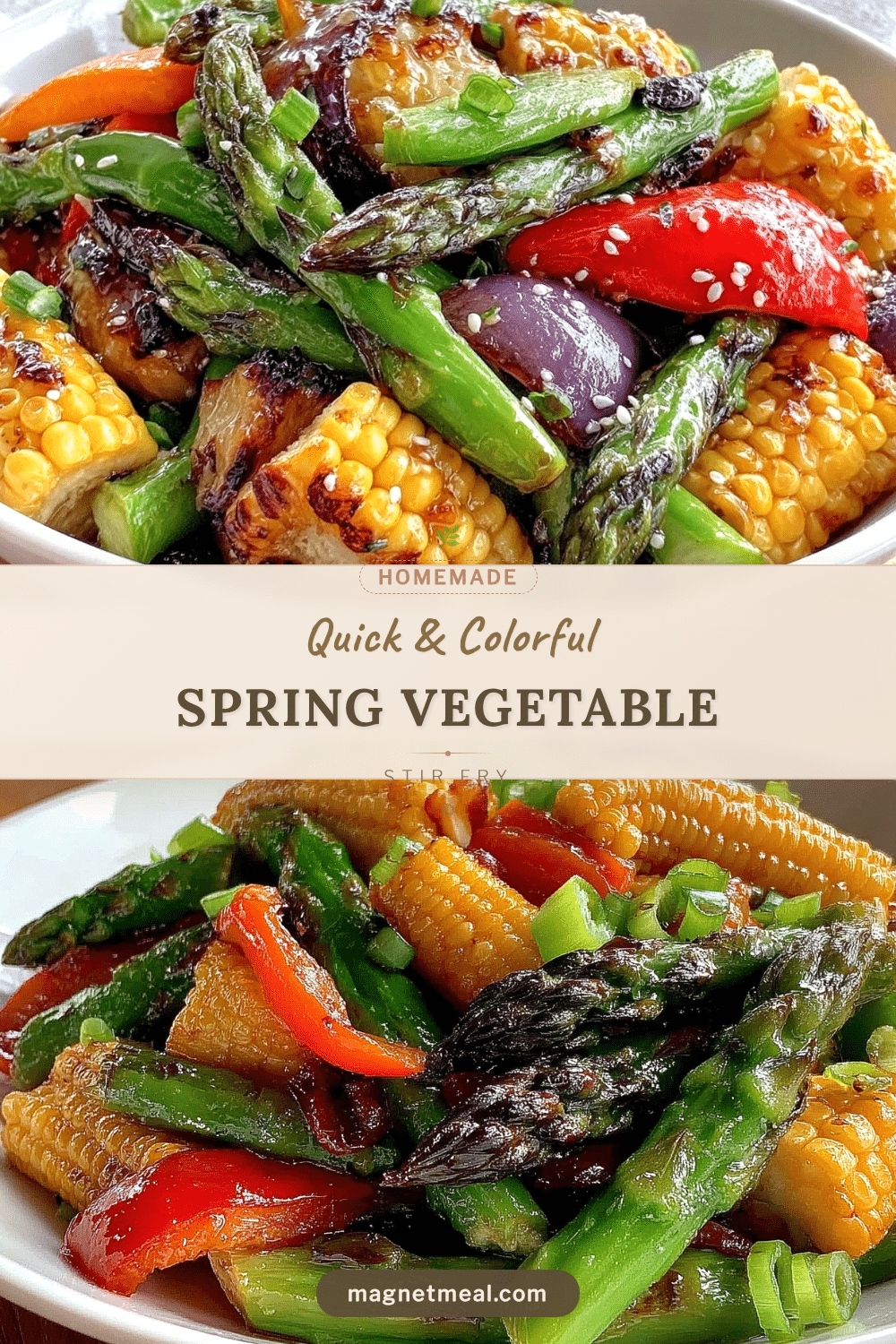
Quick Spring Vegetable Stir Fry
A vibrant and easy stir fry featuring fresh spring vegetables, ready in about 20 minutes. Perfect for a quick, nourishing meal with crisp textures and balanced savory-sweet flavors.
- Prep Time: 10 minutes
- Cook Time: 10 minutes
- Total Time: 20 minutes
- Yield: 4 servings 1x
- Category: Main Course
- Cuisine: Asian
Ingredients
- 1 cup snap peas, trimmed
- 1 cup asparagus tips, cut into 2-inch pieces
- 1 cup baby carrots, sliced diagonally
- 1 small red bell pepper, thinly sliced
- 1 small zucchini, sliced into half-moons
- 2 scallions, sliced
- 2 tablespoons soy sauce (low-sodium preferred)
- 1 tablespoon toasted sesame oil
- 1 teaspoon freshly grated ginger
- 1 garlic clove, minced
- 1 teaspoon honey or maple syrup
- 1 tablespoon rice vinegar
- 2 tablespoons vegetable or canola oil
- Sesame seeds for garnish (optional)
Instructions
- Prepare the vegetables: Wash and trim all vegetables. Slice baby carrots diagonally, cut asparagus into 2-inch pieces, thinly slice red bell pepper and zucchini into half-moons. Set aside scallions for garnish.
- Make the sauce: In a small bowl, whisk together soy sauce, toasted sesame oil, grated ginger, minced garlic, honey, and rice vinegar. Adjust seasoning if needed.
- Heat the pan: Place wok or large skillet over medium-high heat. Add vegetable oil and heat until shimmering but not smoking.
- Cook the vegetables: Add carrots and asparagus first, stir continuously for about 3 minutes. Then add snap peas, bell pepper, and zucchini. Toss frequently to cook evenly while keeping vegetables crisp.
- Add the sauce: Pour sauce over vegetables and stir quickly to coat. Let sauce bubble and thicken slightly.
- Finish and serve: Remove from heat, sprinkle sliced scallions and sesame seeds on top. Serve immediately over steamed rice, noodles, or quinoa.
Notes
Use tamari instead of soy sauce for gluten-free option. Avoid overcrowding the pan to keep vegetables crisp. Cook in batches if needed. For vegan, substitute honey with maple syrup. Leftovers keep well for up to 2 days; reheat in a hot skillet to maintain texture.
Nutrition
- Serving Size: 1 serving (approxima
- Calories: 150
- Sugar: 7
- Sodium: 450
- Fat: 8
- Saturated Fat: 1
- Carbohydrates: 18
- Fiber: 4
- Protein: 4
Keywords: spring vegetable stir fry, quick stir fry, easy vegetable recipe, healthy stir fry, vegan stir fry, gluten-free stir fry