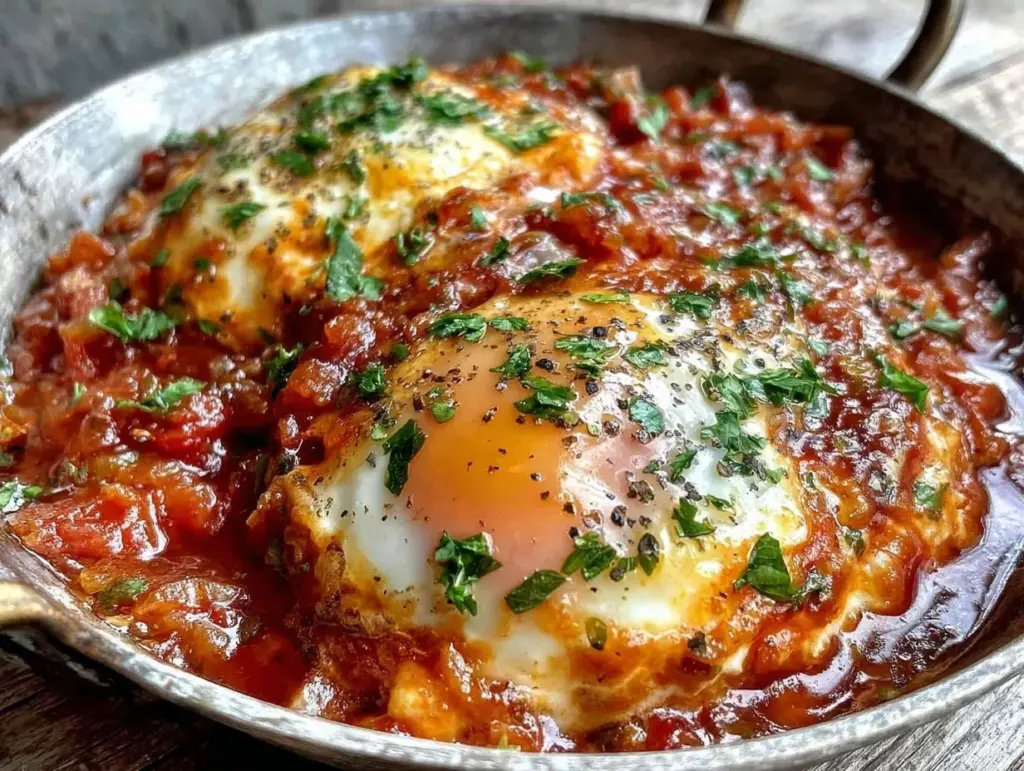
“You’ve got to try this,” my neighbor texted me one sleepy Saturday morning, right when I was juggling a mess of half-empty coffee cups and a kitchen that looked like a tornado had passed through. Honestly, I was skeptical. Shakshuka? Eggs poached in spicy tomato sauce sounded fancy and complicated—just what I didn’t need on a chaotic weekend. But curiosity (and the promise of something bright and flavorful) got the better of me.
So, I gave it a shot, and wow—talk about a game changer. The first bite was this perfect mix of tangy tomatoes, a hint of smoky paprika, and creamy eggs that just melted in my mouth. It wasn’t just breakfast; it was like a little celebration simmering on the stove. Shakshuka eggs quickly became my go-to for weekends when I wanted something that felt special but didn’t require hours in the kitchen. It’s the kind of dish that wakes you up without a jolt, comforting but vibrant enough to brighten the whole day.
What really hooked me was how easy it was to tweak the recipe depending on what I had on hand. I once added a handful of spinach for a quick green boost, and another time, a sprinkle of feta cheese turned it into a tangy, salty delight. The aroma filling my kitchen made me realize this was more than just a recipe; it was a little ritual that helped me slow down and savor the morning. It’s honestly one of those dishes I reach for whenever I want to bring a splash of color and warmth to my table—especially around Easter when everything feels fresh and hopeful.
So, if you ever find yourself wanting a brunch that’s both lively and comforting, with a touch of spice and a lot of heart, this flavorful shakshuka eggs recipe might just become your new favorite. It’s simple, satisfying, and a bit like a warm hug on a plate.
Why You’ll Love This Recipe
After making shakshuka eggs more times than I care to count, I can tell you exactly why this recipe stands out from the rest:
- Quick & Easy: Ready in under 30 minutes, making it perfect for those busy mornings when you crave something worthwhile but don’t want to fuss endlessly.
- Simple Ingredients: Everything you need is probably already in your pantry or fridge—canned tomatoes, eggs, and a few spices. No last-minute runs to specialty stores!
- Perfect for Easter Brunch: The vibrant reds and sunny eggs bring a festive feel to the table, making it a natural fit for holiday gatherings or any weekend treat.
- Crowd-Pleaser: Whether you’re cooking for family, friends, or just yourself, the bold flavors and comforting texture get thumbs up every time.
- Unbelievably Delicious: The combination of smoky paprika, garlic, and fresh herbs with perfectly poached eggs creates a flavor profile that’s both rich and refreshing.
This shakshuka isn’t your average tomato-and-egg dish. The secret lies in the way the sauce simmers low and slow, developing layers of flavor without overwhelming the eggs. Plus, adding a pinch of cumin and a splash of lemon juice at the end pulls everything together with a subtle zing. Honestly, it’s the kind of recipe I’ve recommended to friends who think they don’t like spicy food—because it’s more about warmth and depth than heat.
And if you’re planning an Easter brunch that feels both lively and relaxed, this dish effortlessly steals the show. It’s like the perfect balance of homey and exotic, which is rare to find in one pan. For a little extra inspiration, I sometimes pair it with a classic tuna melt on sourdough bread or a bright, fresh salad from my Mediterranean chickpea bowl recipe. Trust me, it’s a combo that makes your brunch guests linger a little longer at the table.
What Ingredients You Will Need
This recipe uses simple, wholesome ingredients to deliver bold flavor and satisfying texture without the fuss. Most of these are pantry staples, and if you’re lucky, some might already be chilling in your fridge.
- Olive oil (2 tablespoons) – for that silky, rich base.
- Onion (1 medium, finely chopped) – adds sweetness and depth.
- Bell peppers (1 medium, diced; red or yellow for color) – freshness and a subtle crunch.
- Garlic cloves (3 minced) – essential for that punch of aroma.
- Tomatoes (1 can, 28 oz crushed or whole peeled) – the heart of the sauce; I prefer San Marzano for their sweetness.
- Tomato paste (2 tablespoons) – boosts richness.
- Smoked paprika (1 teaspoon) – smoky warmth without overpowering.
- Ground cumin (1 teaspoon) – adds earthiness and depth.
- Chili flakes (optional, ¼ teaspoon) – for a gentle kick; leave out if you prefer mild.
- Salt and black pepper (to taste) – the classic seasoning duo.
- Eggs (4 to 6 large) – the star ingredient, ideally at room temperature for even cooking.
- Fresh parsley or cilantro (a handful, chopped) – for a bright, herbaceous finish.
- Lemon juice (from half a lemon) – adds a fresh, zesty contrast.
- Feta cheese (optional, crumbled, about ¼ cup) – tangy and creamy topping that’s a personal favorite twist.
If you want to switch things up, try adding fresh spinach or kale for a green boost, or swap bell peppers with zucchini in summer. For a gluten-free version, this recipe is naturally compliant, and swapping out the eggs with tofu is something I tried once for a vegan twist (it worked surprisingly well, just adjust cooking time).
Equipment Needed
- Large non-stick or cast-iron skillet (10 to 12 inches) – perfect for even heat distribution and enough room to poach the eggs comfortably.
- Wooden spoon or silicone spatula – for stirring the sauce without scratching your pan.
- Sharp knife and cutting board – to chop your onions, peppers, and herbs efficiently.
- Measuring spoons – for precise seasoning.
- Lid or plate to cover the skillet while the eggs cook – traps steam to cook the eggs gently.
If you don’t have a cast-iron skillet, a sturdy non-stick pan works just fine. I’ve made this recipe on both, and the cast iron definitely keeps the heat more consistent, which is handy when you’re poaching multiple eggs. Also, if you’re budget-conscious, a simple glass lid or even a large dinner plate can serve as a cover to steam the eggs properly.
Preparation Method
- Heat olive oil in your skillet over medium heat for about 2 minutes until shimmering but not smoking. This is when you’ll start building that flavorful base.
- Add chopped onions and bell peppers. Sauté for 5 to 7 minutes, stirring occasionally, until softened and slightly caramelized. You want the onions translucent and the peppers tender but not mushy.
- Stir in minced garlic and cook for another 1 minute until fragrant. Be careful not to burn it—garlic burns fast and turns bitter.
- Pour in the canned tomatoes along with their juices. If you’re using whole peeled tomatoes, crush them lightly with your spoon in the pan. Add tomato paste, smoked paprika, cumin, chili flakes, salt, and black pepper. Stir to combine everything.
- Simmer the sauce on low heat for 10 to 15 minutes, uncovered. The sauce should thicken slightly and the flavors meld beautifully. Stir occasionally to prevent sticking.
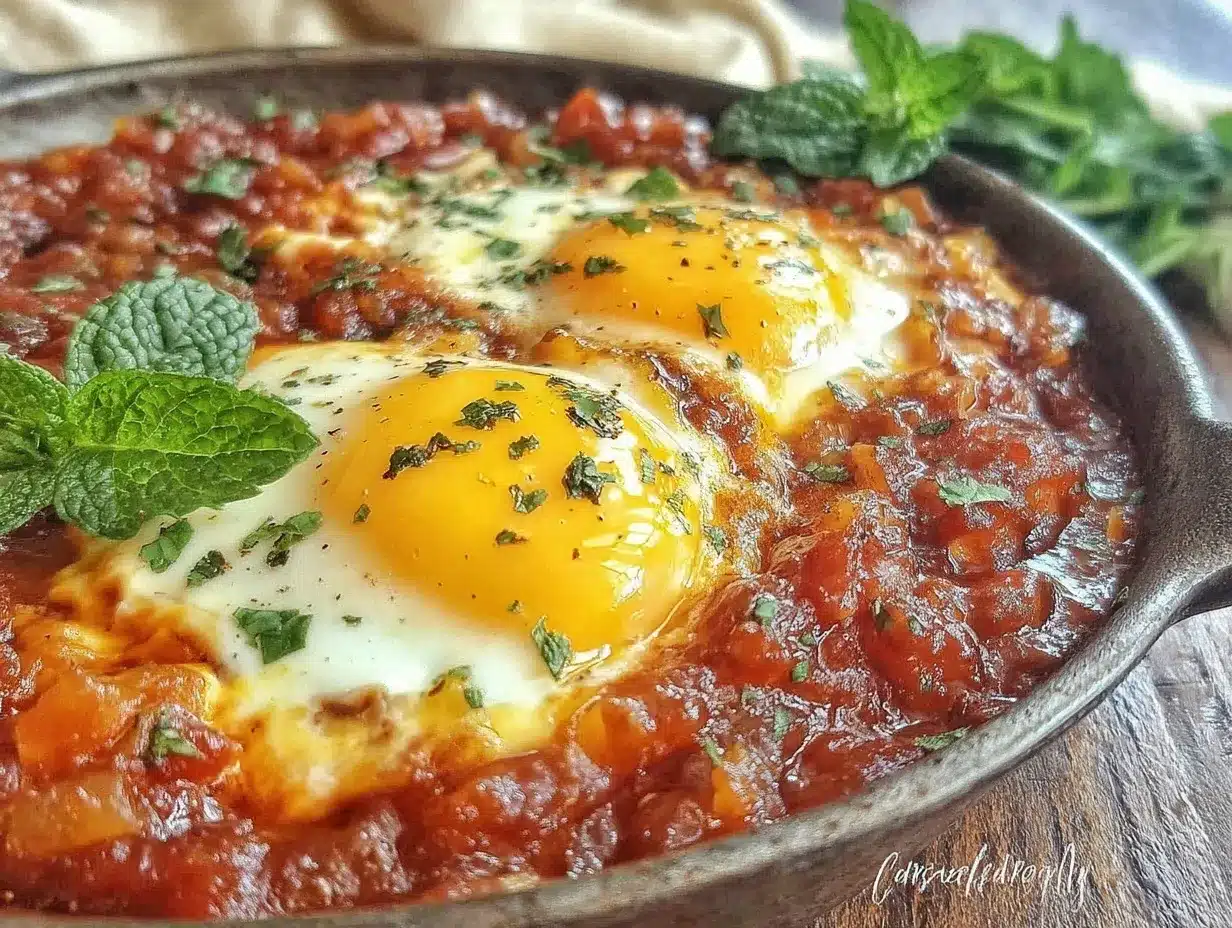
- Make little wells in the sauce with your spoon and gently crack eggs into each well. Cover the skillet with a lid or plate and cook for 5 to 8 minutes, depending on how runny you want your yolks. Check after 5 minutes—you’re aiming for whites set but yolks still soft.
- Once eggs are cooked to your liking, remove from heat. Sprinkle chopped parsley or cilantro and crumbled feta cheese on top. Finish with a squeeze of fresh lemon juice for that unexpected brightness.
- Serve immediately with warm, crusty bread or pita for dipping. I recommend something like a rustic sourdough loaf, which complements the tangy sauce perfectly.
Pro tip: If your sauce feels too acidic, a pinch of sugar balances it out nicely. Also, letting the sauce simmer longer deepens the flavor, but don’t overdo it or it’ll dry out.
Cooking Tips & Techniques
Cooking shakshuka eggs is as much about patience as it is about timing. Here’s what I’ve learned after many attempts:
- Use fresh, room-temperature eggs. Cold eggs straight from the fridge tend to crack or cook unevenly.
- Don’t rush the sauce. Simmering the tomatoes and spices slowly allows the flavors to develop fully. I usually keep the heat low and stir now and then to avoid scorching.
- Cover the skillet to poach the eggs. The trapped steam cooks the eggs gently and evenly, which means no rubbery whites or overcooked yolks.
- Adjust the heat once eggs are added. Medium-low is your friend here. Too high, and the eggs cook too fast; too low and you’ll be waiting forever.
- Experiment with spices. I once added a pinch of cinnamon for a subtle warmth that surprised me. Just a little goes a long way.
- Multitasking tip: While the sauce simmers, chop herbs, slice bread, or prepare a quick salad. It’s a great way to make the most of your brunch prep time.
Personally, I’ve burned the garlic more times than I care to admit—so I always add it last and keep a close eye. And when I first tried cooking the eggs in the sauce, I panicked when they looked too runny, but letting them rest off the heat for a minute helped them finish cooking gently.
Variations & Adaptations
One of the best things about shakshuka is how easily it adapts to what you have or your mood. Here are a few variations I’ve played with:
- Green Shakshuka: Swap out the tomato base for a sauce made from sautéed spinach, kale, zucchini, and green peppers. Add a touch of green harissa or jalapeño for spice.
- Spicy Harissa Twist: Stir in a tablespoon of harissa paste into your tomato sauce for a smoky, spicy flavor that wakes up the palate.
- Cheese Lovers’ Edition: Add dollops of ricotta or mozzarella along with feta for a creamier, cheesier finish.
- Vegan Version: Replace eggs with firm tofu cubes or chickpeas for protein. Cook gently in the sauce until heated through.
Once, I added some chorizo slices for a meaty kick, turning this vegetarian dish into a heartier meal. It was a hit at a casual brunch with friends who loved the extra punch. Depending on your cooking method, you can also bake the shakshuka in the oven at 375°F (190°C) for 10-15 minutes after adding the eggs, which helps cook them gently and evenly without covering the pan.
Serving & Storage Suggestions
Shakshuka eggs are best enjoyed fresh and hot straight from the pan. Serve with warm, crusty bread or pita to soak up the luscious sauce. For a brunch crowd, I like to set out bowls of olives, sliced cucumbers, and fresh herbs to make it a relaxed Mediterranean-style spread.
If you have leftovers (which can happen if you’re not hosting a hungry group), store the sauce and eggs separately in airtight containers in the fridge for up to 2 days. Reheat the sauce gently on the stove and add the eggs back in briefly to warm without overcooking.
Flavors tend to deepen after sitting overnight, so reheated shakshuka can taste even richer the next day. Just be mindful that eggs will firm up, so adding a splash of water or broth while reheating helps keep the sauce silky.
For a festive brunch, pair your shakshuka with a light, sparkling beverage or a freshly squeezed citrus juice. The bright acidity cuts through the richness beautifully.
Nutritional Information & Benefits
This shakshuka eggs recipe serves about 4 people, with approximately the following per serving:
| Calories | 250-300 kcal |
|---|---|
| Protein | 14-16 g |
| Fat | 18-20 g (mostly from olive oil and eggs) |
| Carbohydrates | 12-15 g (mostly from tomatoes and peppers) |
| Fiber | 3-4 g |
Key health benefits come from the nutrient-dense tomatoes, rich in lycopene, which supports heart health, and the protein-packed eggs that keep you full and satisfied. Olive oil provides healthy fats that promote good cholesterol levels. If you add greens like spinach, you boost the iron and vitamin content even more.
This dish is naturally gluten-free and low-carb if you skip the bread, making it a flexible option for many dietary preferences. Just watch out for chili flakes if you’re sensitive to spice.
Conclusion
Flavorful shakshuka eggs are more than just a dish—they’re a vibrant way to bring energy and warmth to your Easter brunch table. This recipe’s simplicity combined with its rich, inviting flavors makes it a standout choice for those who want a fuss-free but impressive meal. I keep coming back to it because it feels both comforting and a little adventurous, which is rare in one recipe.
Tweak the spices, add your favorite toppings, or serve it alongside some fresh breads and light sides like the vibrant Mediterranean chickpea bowl I love making for easy, healthy meals. I hope it brings a splash of joy and color to your next brunch, just like it did for me on that hectic morning.
Give it a try, and if you make it your own, I’d love to hear about your favorite twists and tweaks!
FAQs About Flavorful Shakshuka Eggs for Easter Brunch
How do I know when the eggs are perfectly cooked?
Check after about 5 minutes of cooking with the lid on. The whites should be fully set and opaque, while the yolks remain soft and slightly runny. If you prefer firmer yolks, cook for a couple more minutes but watch carefully to avoid overcooking.
Can I make shakshuka ahead of time?
You can prepare the tomato sauce a day ahead and refrigerate it. When ready to serve, reheat the sauce gently and add fresh eggs to poach right before eating. This keeps the eggs fresh and prevents them from becoming rubbery.
What can I serve with shakshuka for a full brunch?
Serve with crusty sourdough bread, pita, or even a light salad like the Mediterranean chickpea bowl. Fresh fruit, olives, and a simple cheese platter also complement shakshuka nicely.
Can I use fresh tomatoes instead of canned?
Yes! Use about 5-6 ripe medium tomatoes, peeled and chopped. You might need to simmer the sauce a bit longer to thicken it since fresh tomatoes have more water content than canned.
Is shakshuka spicy? How can I control the heat?
Shakshuka has a gentle warmth from paprika and optional chili flakes, but it’s not overly spicy. To keep it mild, skip the chili flakes or reduce the amount. You can also add a pinch of sugar to balance any heat.
Pin This Recipe!

Flavorful Shakshuka Eggs Recipe Easy Vibrant Easter Brunch Idea

A quick and easy shakshuka recipe featuring eggs poached in a spicy tomato sauce, perfect for a vibrant and comforting Easter brunch or any weekend treat.
- Prep Time: 10 minutes
- Cook Time: 20 minutes
- Total Time: 30 minutes
- Yield: 4 servings 1x
- Category: Main Course
- Cuisine: Mediterranean
Ingredients
- 2 tablespoons olive oil
- 1 medium onion, finely chopped
- 1 medium bell pepper (red or yellow), diced
- 3 garlic cloves, minced
- 1 can (28 oz) crushed or whole peeled tomatoes
- 2 tablespoons tomato paste
- 1 teaspoon smoked paprika
- 1 teaspoon ground cumin
- ¼ teaspoon chili flakes (optional)
- Salt and black pepper to taste
- 4 to 6 large eggs
- A handful fresh parsley or cilantro, chopped
- Juice from half a lemon
- ¼ cup crumbled feta cheese (optional)
Instructions
- Heat olive oil in a large skillet over medium heat for about 2 minutes until shimmering but not smoking.
- Add chopped onions and bell peppers. Sauté for 5 to 7 minutes, stirring occasionally, until onions are translucent and peppers are tender but not mushy.
- Stir in minced garlic and cook for another 1 minute until fragrant, being careful not to burn it.
- Pour in canned tomatoes with their juices. If using whole peeled tomatoes, crush them lightly with your spoon in the pan.
- Add tomato paste, smoked paprika, cumin, chili flakes (if using), salt, and black pepper. Stir to combine.
- Simmer the sauce on low heat for 10 to 15 minutes uncovered, stirring occasionally until the sauce thickens slightly and flavors meld.
- Make little wells in the sauce and gently crack eggs into each well.
- Cover the skillet with a lid or plate and cook for 5 to 8 minutes, depending on desired yolk consistency. Check after 5 minutes for whites set but yolks still soft.
- Once eggs are cooked to your liking, remove from heat. Sprinkle chopped parsley or cilantro and crumbled feta cheese on top.
- Finish with a squeeze of fresh lemon juice and serve immediately with warm crusty bread or pita.
Notes
Use fresh, room-temperature eggs for even cooking. Simmer sauce slowly to develop flavor without burning. Cover skillet to poach eggs gently and avoid rubbery whites. Adjust chili flakes to control heat. A pinch of sugar can balance acidity. Leftovers should be stored separately and reheated gently.
Nutrition
- Serving Size: 1 serving (approxima
- Calories: 275
- Sugar: 8
- Sodium: 350
- Fat: 19
- Saturated Fat: 4
- Carbohydrates: 14
- Fiber: 3.5
- Protein: 15
Keywords: shakshuka, eggs, tomato sauce, brunch, Easter brunch, easy recipe, Mediterranean, spicy eggs, poached eggs, healthy breakfast