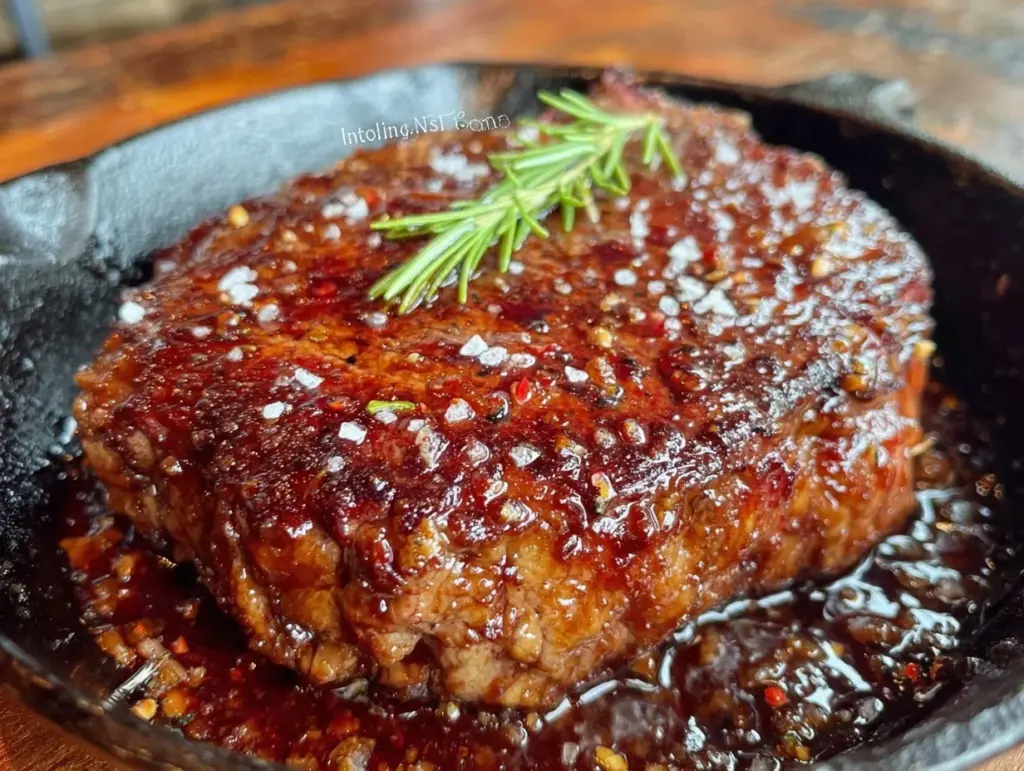
“You won’t believe how good this steak came out,” my friend mumbled through a mouthful, eyes wide with surprise. Honestly, I wasn’t expecting much the first time I tried cooking a steak in my cast iron skillet. I had this sneaky suspicion that only restaurants could pull off that perfect crust and juicy interior, you know? But after a particularly chaotic day — the kind where nothing seemed to go right — I decided to give it one last shot before ordering takeout. It started with a simple pan, a slab of ribeye, and a dash of stubbornness.
The sizzling sound filled the quiet kitchen, and the smell? Oh, it pulled me back to those classic steakhouse dinners I’d enjoyed years ago. By the time I sliced into that seared beauty, the crust was caramelized just right, and the inside was tender and pink, exactly how I like it. That night, the “perfect cast iron seared steak” wasn’t just a meal; it was a small victory, a reset button on a rough day. It’s become my go-to when I crave restaurant-quality flavor at home without the fuss or fancy equipment.
There’s something calming about mastering this recipe — the kind of confidence that sneaks up on you when you realize you can do this steak thing well, really well. If you’re wondering how to make steak taste like it came from a professional kitchen, this recipe is a quiet promise that you can, no matter your cooking background.
Why You’ll Love This Recipe
After countless attempts and tweaks, I can say this perfect cast iron seared steak recipe is a keeper. It’s one of those dishes that keeps showing up on my weekly menu — no exaggeration. Here’s why it stands out:
- Quick & Easy: Ready in about 20 minutes, this recipe fits right into those hectic weeknight dinners or spontaneous cravings.
- Simple Ingredients: No need for exotic spices or ingredients — just quality steak, salt, pepper, and a few pantry staples.
- Perfect for Any Occasion: Whether it’s a cozy dinner for one or an impressive meal for friends, this steak delivers.
- Crowd-Pleaser: I’ve served this to both steak lovers and skeptics alike, and it always gets rave reviews.
- Unbelievably Delicious: The sear creates a crust that’s downright addictive, locking in juiciness and flavor like a pro steakhouse.
What makes this recipe different? It’s the technique — the way you prep the steak and the timing of the sear. No need to fuss with complicated marinades or sauces. It’s all about coaxing out the natural beef flavor with that iconic crust. The method I use, inspired by chefs but adapted for a home cook’s kitchen, consistently creates a steak you’ll want to make again and again.
This isn’t just a recipe; it’s a little kitchen ritual that turns simple ingredients into something that feels special. I love how it makes me slow down, listen to the sizzle, and enjoy the process — and you will too.
What Ingredients You Will Need
This perfect cast iron seared steak recipe relies on straightforward, wholesome ingredients to bring out bold flavor and a satisfying texture without much fuss. Most of these are pantry staples, and you likely have them on hand already.
- Steak: 1 (10-12 oz / 280-340 g) ribeye or New York strip steak, about 1 to 1.5 inches thick (look for well-marbled cuts for best flavor and tenderness)
- Salt: Kosher salt or sea salt (coarse salt helps form that crust)
- Black Pepper: Freshly cracked black pepper for seasoning (adds depth)
- Oil: 1 tablespoon high smoke point oil like grapeseed or avocado oil (prevents sticking and burns less)
- Butter: 2 tablespoons unsalted butter, softened (adds richness and helps with basting)
- Garlic: 2 cloves, smashed (infuses aroma during basting)
- Fresh Herbs: A few sprigs of thyme or rosemary (optional, but highly recommended for that restaurant touch)
If you want to swap things up, grass-fed beef works beautifully for a more robust flavor. For seasoning, I prefer Diamond Crystal kosher salt for its texture and ease of use. If you’re in the mood for a dairy-free version, replace butter with a plant-based alternative or extra oil. And hey, if you can’t get fresh herbs, dried thyme works too, but fresh is always nicer when you can.
Equipment Needed
- Cast Iron Skillet: This is the star here — it holds and distributes heat evenly, creating that perfect sear. I use a 10-inch skillet and recommend brands like Lodge for durability and affordability.
- Tongs: Essential for flipping the steak without piercing it (which would lose juices).
- Instant-Read Meat Thermometer: Optional but highly useful to nail the perfect doneness.
- Stove and Oven (or just stove): For finishing thicker steaks, a quick oven roast works wonders.
- Plate and Foil: For resting the steak after cooking to lock in juices.
If you don’t have a cast iron skillet, a heavy stainless steel pan can substitute, though you might not get quite the same crust. I once tried a non-stick pan for this, but it lacked the searing punch — and honestly, it just wasn’t as satisfying. Keep your cast iron well-seasoned by wiping it clean and applying a thin layer of oil after use.
Preparation Method
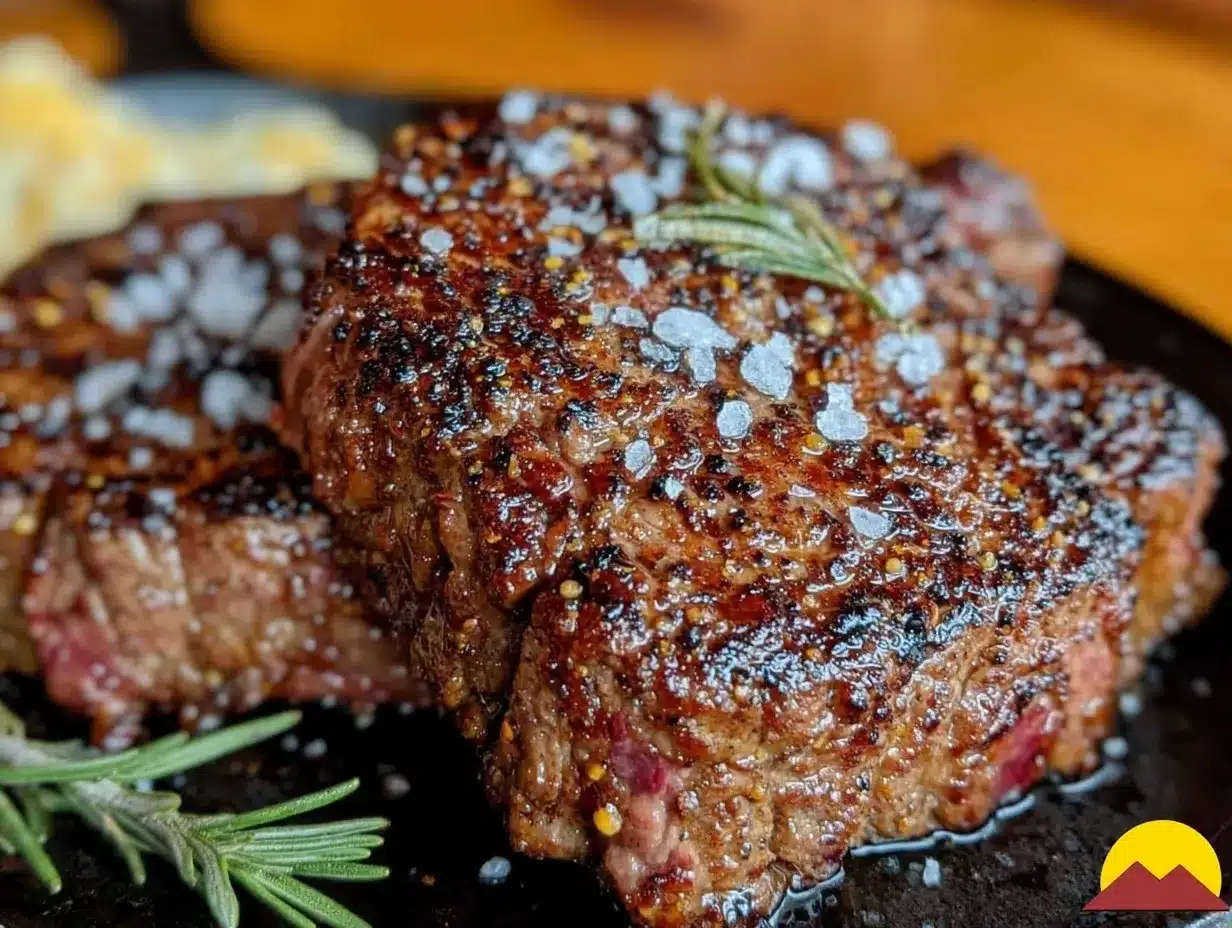
- Bring the Steak to Room Temperature (about 30-40 minutes): Remove the steak from the fridge and let it rest on the counter. This helps it cook more evenly. If you’re pressed for time, 20 minutes works, but longer is better.
- Pat Dry and Season: Use paper towels to pat the steak completely dry — moisture is the enemy of crust. Generously season both sides with kosher salt and freshly cracked black pepper. Don’t be shy; this seasoning forms the delicious crust.
- Preheat the Cast Iron Skillet: Place your skillet over medium-high heat and let it get smoking hot — this usually takes about 5 minutes. You want the pan screaming hot to get that sear.
- Add Oil: Pour in 1 tablespoon of high smoke point oil and swirl to coat the pan evenly.
- Sear the Steak: Carefully place the steak in the skillet (listen for that satisfying sizzle). For a 1-inch thick steak, cook for about 3-4 minutes without moving it to build the crust. Flip and cook the other side for 3 minutes.
- Add Butter, Garlic, and Herbs: Reduce heat to medium. Add butter, smashed garlic, and thyme or rosemary sprigs to the pan. As the butter melts, tilt the pan slightly and spoon the butter over the steak repeatedly (basting) for an extra flavor boost and moisture.
- Check Doneness: For medium-rare, aim for an internal temperature of 130-135°F (54-57°C). If your steak is thicker, you can finish it in a preheated 400°F (200°C) oven for 4-6 minutes after searing.
- Rest the Steak: Remove the steak and place it on a plate or cutting board. Tent loosely with foil and rest for 5-10 minutes to let the juices redistribute — this is key for juicy steak.
- Slice and Serve: Slice against the grain, serve with your favorite sides, and savor the fruits of your labor.
Pro tip: If the steak browns too quickly, lower the heat — patience pays off. Also, don’t overcrowd the skillet; cooking steaks one at a time helps maintain heat and crust quality.
Cooking Tips & Techniques
Getting that perfect sear on a steak can feel intimidating, but a few tricks make it doable every time.
- Room Temperature Matters: Cold steak meets hot pan = uneven cooking. Letting the steak warm up ensures a more consistent crust and doneness.
- Dry Surface: Moisture creates steam, which hinders browning. Always pat your steak dry before seasoning.
- Hot Pan Is Key: Cast iron needs to be screaming hot for a good sear. I once rushed this step and ended up with a pale steak — lesson learned.
- Basting with Butter: Adds flavor and helps keep the steak moist. Don’t skip the herbs and garlic; they infuse the butter with subtle aromatics.
- Don’t Flip Too Often: Let the steak sit undisturbed to develop that crust. Flipping every minute is a rookie move.
- Use a Thermometer: Guessing steak doneness is stressful. An instant-read thermometer takes the guesswork out and prevents overcooking.
- Resting Is Crucial: Cutting into a steak right off the pan lets all those precious juices run out. Resting keeps it juicy and tender.
Back when I first started, I overcooked steak far too often, thinking higher heat meant faster cooking. Now, I focus on heat control and timing, and the results are night and day. Also, multitasking while cooking steak? Not a great idea. Give it your attention — the pan is your best friend here.
Variations & Adaptations
This perfect cast iron seared steak recipe is very adaptable depending on your preferences or dietary needs.
- Spice it Up: Add smoked paprika, cayenne, or your favorite steak rub for a flavor kick. I once tried a coffee-rubbed steak version that blew my mind.
- Herb Butter Finish: Swap plain butter for a compound butter with garlic, parsley, and lemon zest for a luxurious finishing touch.
- Different Cuts: Try this method with filet mignon, sirloin, or even thick-cut pork chops. Adjust cooking times for thickness and cut.
- Oven-Free Option: For thinner steaks, sear both sides in the pan until desired doneness without finishing in the oven.
- Allergen-Friendly: Skip butter and use olive oil or vegan butter alternatives.
One of my favorite twists was pairing this steak with a quick pan sauce made from the drippings, a splash of balsamic vinegar, and a hint of Dijon mustard — it’s a game-changer for date nights at home.
Serving & Storage Suggestions
Serve your perfectly seared steak hot and sliced against the grain for the best tenderness. A sprinkle of flaky sea salt on top right before serving adds a delightful crunch and flavor pop.
Pair it with simple sides like roasted vegetables or a fresh salad. For a hearty meal, consider creamy garlic mashed potatoes or a crisp Caesar salad — speaking of which, this steak goes wonderfully alongside a homemade Caesar dressing (similar to the one I use in my chicken Caesar wrap recipe).
If you have leftovers, wrap the steak tightly and refrigerate for up to 3 days. Reheat gently in a skillet over low heat or use the oven at 250°F (120°C) to avoid drying it out. Flavors deepen overnight, so sometimes leftovers taste even better.
Nutritional Information & Benefits
A 10-ounce (280g) ribeye steak typically contains around 600-700 calories, with approximately 50g protein and 45g fat. It’s a rich source of iron, zinc, and B vitamins, making it a satisfying and nutritionally dense meal.
Choosing grass-fed beef can increase omega-3 fatty acids and antioxidants. This recipe is naturally gluten-free and keto-friendly, making it suitable for a range of diets.
I appreciate steak not just for flavor but for its role in balanced nutrition — especially after a long day when I want something that fuels and comforts simultaneously.
Conclusion
This perfect cast iron seared steak recipe is the kind of kitchen win that sticks with you. It’s approachable, yet it delivers restaurant-quality flavor without the need for fancy equipment or complicated steps. Whether you’re cooking for a crowd or just treating yourself, it’s a recipe that feels worth the effort.
Feel free to tweak the seasoning or herbs to match your preferences — that’s part of the joy of cooking steak at home. Personally, I love how this recipe keeps me coming back, making ordinary nights feel a little more special.
If you try it, I’d love to hear how your steak turns out or any fun variations you come up with. Cooking is always better when shared, even if it’s just over a screen.
Here’s to many perfectly seared steaks ahead!
FAQs About Perfect Cast Iron Seared Steak
What’s the best cut of steak for this recipe?
Ribeye and New York strip are ideal due to their marbling and thickness, but filet mignon or sirloin also work well. Just adjust cooking times based on thickness.
Can I use a non-cast iron pan?
You can, but cast iron’s heat retention is key for a good sear. A heavy stainless steel pan is the next best option.
How do I know when the steak is done?
An instant-read thermometer is your best friend. Aim for 130-135°F (54-57°C) for medium-rare. Otherwise, use the finger test or cut a small slit to check.
Should I marinate the steak?
This recipe relies on seasoning and searing rather than marinating. If you prefer, use a simple marinade but don’t skip the salt and pepper.
What sides go best with cast iron seared steak?
Classic sides include roasted veggies, garlic mashed potatoes, or a fresh salad. You might enjoy pairing it with dishes like fresh avocado tuna salad lettuce wraps for a light contrast.
Pin This Recipe!
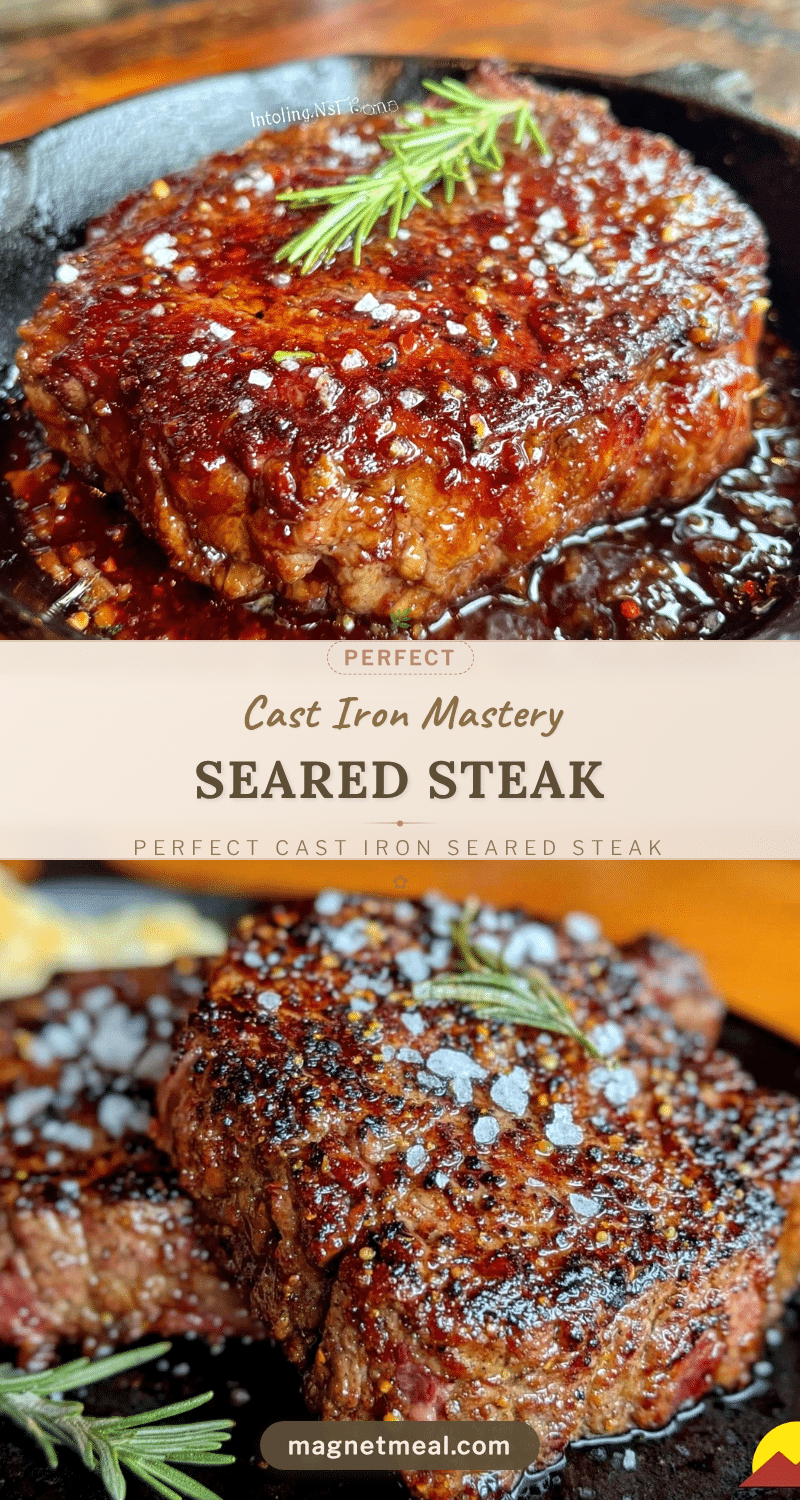
Perfect Cast Iron Seared Steak Recipe for Restaurant-Quality Flavor at Home
This recipe delivers a perfectly seared ribeye or New York strip steak with a caramelized crust and juicy interior, replicating restaurant-quality flavor at home using simple ingredients and a cast iron skillet.
- Prep Time: 40 minutes
- Cook Time: 10 minutes
- Total Time: 50 minutes
- Yield: 1 serving 1x
- Category: Main Course
- Cuisine: American
Ingredients
- 1 (10-12 oz / 280-340 g) ribeye or New York strip steak, about 1 to 1.5 inches thick
- Kosher salt or sea salt (coarse salt preferred)
- Freshly cracked black pepper
- 1 tablespoon high smoke point oil like grapeseed or avocado oil
- 2 tablespoons unsalted butter, softened
- 2 cloves garlic, smashed
- A few sprigs of thyme or rosemary (optional)
Instructions
- Bring the steak to room temperature for about 30-40 minutes (20 minutes minimum if pressed for time).
- Pat the steak completely dry with paper towels and generously season both sides with kosher salt and freshly cracked black pepper.
- Preheat the cast iron skillet over medium-high heat until smoking hot, about 5 minutes.
- Add 1 tablespoon of high smoke point oil and swirl to coat the pan evenly.
- Place the steak in the skillet and sear for 3-4 minutes without moving it to build a crust. Flip and cook the other side for 3 minutes.
- Reduce heat to medium and add butter, smashed garlic, and thyme or rosemary sprigs. Tilt the pan and baste the steak repeatedly with the melted butter.
- Check doneness aiming for medium-rare at 130-135°F (54-57°C). For thicker steaks, finish in a preheated 400°F (200°C) oven for 4-6 minutes after searing.
- Remove the steak and rest it loosely tented with foil for 5-10 minutes to let juices redistribute.
- Slice against the grain and serve with your favorite sides.
Notes
If the steak browns too quickly, lower the heat. Cook steaks one at a time to maintain heat and crust quality. Use a thermometer to avoid overcooking. Resting the steak is crucial for juiciness. Butter basting with garlic and herbs adds flavor and moisture. For dairy-free, substitute butter with plant-based alternatives or extra oil.
Nutrition
- Serving Size: 1 steak (10-12 oz)
- Calories: 650
- Sodium: 600
- Fat: 45
- Saturated Fat: 18
- Protein: 50
Keywords: steak, cast iron skillet, seared steak, ribeye, New York strip, restaurant-quality steak, easy steak recipe, pan seared steak