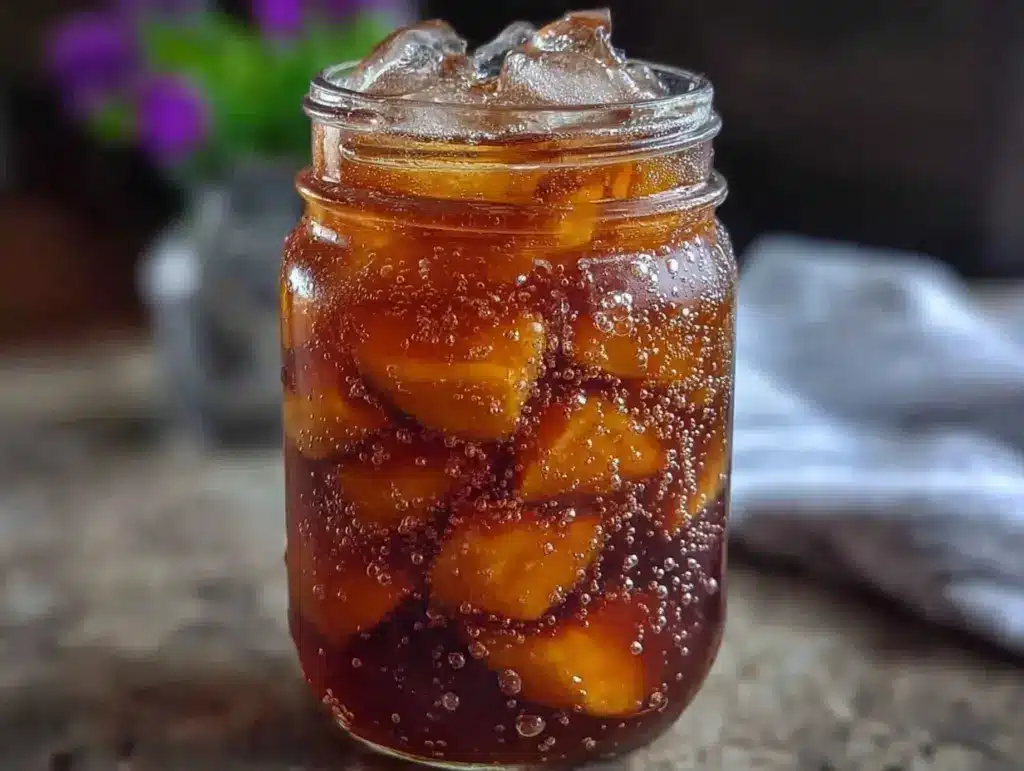
“You really think this will work?” I remember asking, holding a glass jar filled with sweetened tea and a strange, jelly-like SCOBY bobbing on top. Honestly, I was skeptical. Kombucha always seemed like one of those mysterious health drinks best left to experts or trendy cafes. But after a chaotic week where my usual caffeine fix let me down, I craved something bubbly and refreshing, yet homemade and less sugary. That’s when I stumbled upon an easy fizzy kombucha homemade first ferment recipe that didn’t require a chemistry degree or a pantry full of obscure ingredients.
It started as a small experiment—just a simple batch made with a few pantry staples. The kitchen smelled faintly of vinegar and tea, and there was this anticipation, like waiting on a sourdough starter to bubble alive. Days later, the fizzy brew surprised me: tangy, slightly sweet, and with just the right amount of fizz to make my taste buds sit up straight. It quickly became a staple, especially when I needed a reset from my usual drinks or a gentle pick-me-up after a long day.
Now, making this easy fizzy kombucha first ferment feels like a quiet ritual, a moment of calm in my otherwise busy routine. Plus, it’s a lot more fun than I initially thought—kind of like brewing your own little science project in the kitchen. And the best part? I can tweak it easily to suit whatever flavors or fizz levels I’m craving. It’s not just a recipe; it’s my go-to for a refreshing homemade brew that’s fizzier and more satisfying than store-bought versions.
Why You’ll Love This Recipe
From my many trials in crafting kombucha, this easy fizzy kombucha first ferment recipe stands out for a handful of solid reasons. It’s not just about getting that bubbly, tangy drink—it’s about doing it without fuss or fancy gear. Here’s what really makes it click:
- Quick & Easy: The first ferment takes about 7–10 days, but the hands-on part? Just 10 minutes to mix and set. Perfect for anyone juggling a busy schedule or new to brewing.
- Simple Ingredients: You don’t need exotic stuff—just tea, sugar, water, and a SCOBY. Most of these are pantry staples or easy to source.
- Perfect for Any Occasion: Whether you want a refreshing afternoon sip or a unique homemade drink for your next healthy lunch, this kombucha fits right in.
- Crowd-Pleaser: The fizzy tang is a hit with friends and family alike—even those who usually shy away from fermented flavors.
- Unbelievably Delicious: The balance between sweet and sour with natural carbonation is just right. It’s a whole different vibe from store-bought bottles.
This isn’t just another batch of kombucha. The secret is in the careful balance of tea strength and sugar, plus a gentle fermentation environment that encourages natural fizz without turning too vinegary. It’s the kind of recipe that invites you to experiment with flavorings in the second ferment but nails the base first ferment every single time.
Making this easy fizzy kombucha first ferment has become my little weekend project, and honestly, it’s a rewarding process that feels like a treat for my body and my taste buds.
What Ingredients You Will Need
This recipe uses simple, wholesome ingredients to deliver a bold flavor and satisfying fizz without any fuss. You’ll find most of these in your kitchen already, and substitutions are easy if needed.
- Water: 4 cups (1 liter) filtered or spring water (avoiding chlorinated tap water helps your SCOBY thrive)
- Tea: 2 tablespoons loose black tea or 4 black tea bags (I personally prefer a strong Assam for its rich flavor)
- Granulated Sugar: 1 cup (200 grams) white sugar (this feeds the SCOBY; organic cane sugar works well too)
- SCOBY: 1 healthy kombucha SCOBY (look for firm, gelatinous texture; you can find these online or from fellow brewers)
- Starter Liquid: 1 cup (240 ml) unflavored, unpasteurized kombucha from a previous batch or store-bought raw kombucha (this acidifies the environment to prevent bad bacteria)
Optional: For a slight twist, you can substitute part of the black tea with green tea to soften the flavor or try an herbal tea blend during the second ferment, but keep the first ferment strictly black or green tea to support the SCOBY.
Note: If you’re aiming for a gluten-free version, all these ingredients are naturally gluten-free, so no worries there. Just make sure your tea blend doesn’t contain any added malt or gluten-containing flavorings.
Equipment Needed
- Glass Jar: A 1-gallon (4-liter) wide-mouth glass jar is ideal. Glass is non-reactive and perfect for fermenting. Avoid plastic containers, which can harbor bacteria or leach chemicals.
- Cloth Cover & Rubber Band: A tightly woven cloth or coffee filter secured with a rubber band keeps out dust and fruit flies but lets air in for fermentation.
- Measuring Cups & Spoons: For precise sugar and tea measurements.
- Wooden or Plastic Spoon: To stir the tea and sugar mixture. Metal can react with the kombucha, so avoid it here.
- Thermometer: Optional but handy to check water temperature before brewing tea (ideal is around 175°F/80°C). Not critical but helps with consistency.
If you’re on a budget, I’ve found that simple mason jars work just fine for smaller batches, and a clean kitchen towel with a rubber band works perfectly as a breathable cover. Once you get the hang of it, these tools become second nature, and the setup feels less intimidating.
Preparation Method
- Brew the Sweet Tea (10 minutes): Boil 4 cups (1 liter) of filtered water. Remove from heat and steep 2 tablespoons of black tea or 4 black tea bags for about 10 minutes. The tea should be strong but not bitter. Remove tea leaves or bags.
- Add Sugar: While the tea is still warm (around 175°F/80°C), stir in 1 cup (200 grams) of granulated sugar until fully dissolved. This is the SCOBY’s food, so don’t skimp here.
- Cool the Tea: Let the sweetened tea cool to room temperature (68–78°F or 20–25°C) to avoid harming the SCOBY. This usually takes 1–2 hours. Pro tip: Place the jar in a cool water bath to speed this up, but avoid the fridge.
- Transfer to Fermenting Jar: Pour the cooled tea into your 1-gallon (4-liter) glass jar.
- Add SCOBY and Starter Liquid: Gently place your SCOBY into the jar along with 1 cup (240 ml) of unflavored, raw kombucha as starter liquid. This acidifies the mix to prevent contamination.
- Cover and Store: Cover the jar with a breathable cloth or coffee filter and secure with a rubber band. Place the jar in a warm, dark spot (ideally 70–75°F or 21–24°C) away from direct sunlight or drafts.
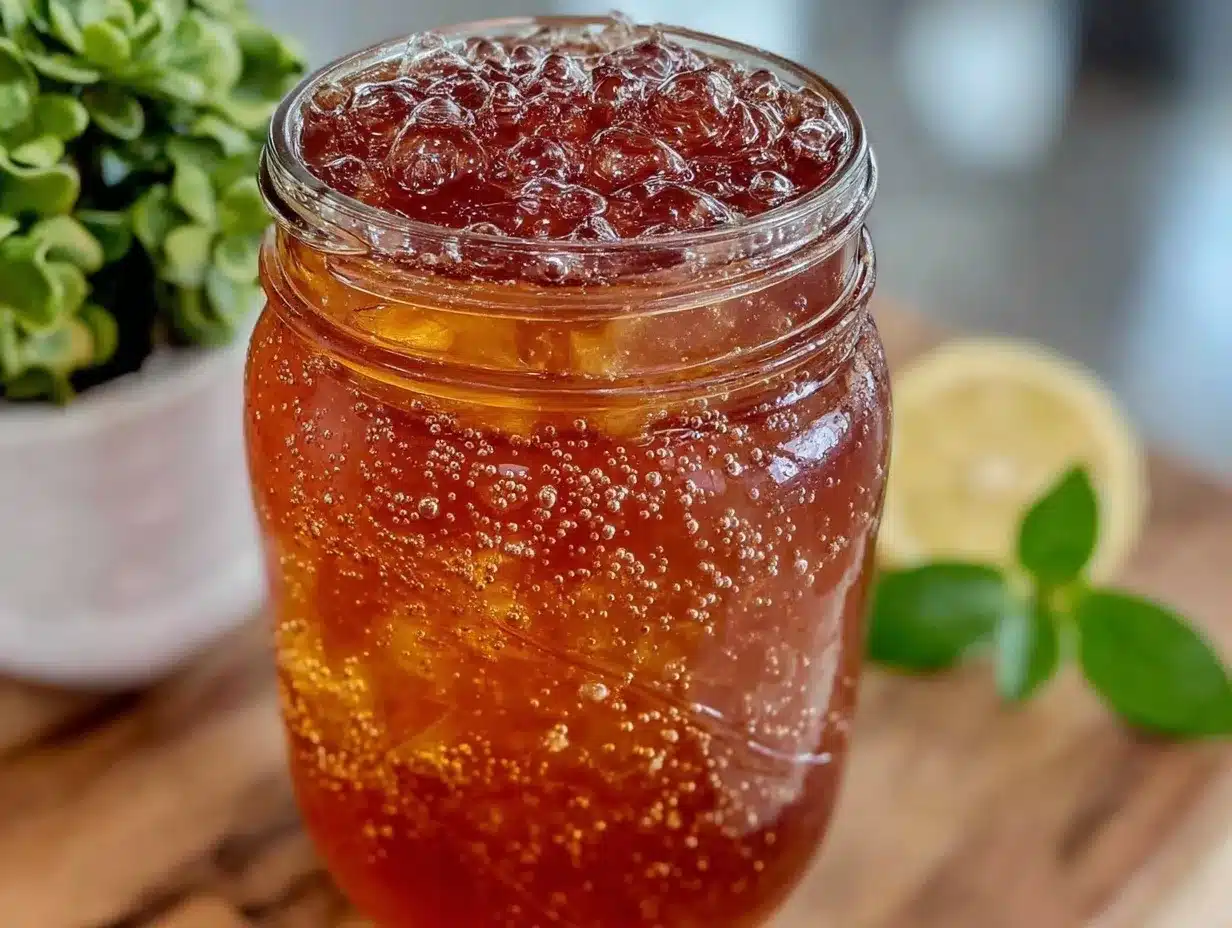
- Ferment (7–10 days): Let the mixture ferment undisturbed. You’ll notice bubbles forming, and the SCOBY will thicken. Taste daily after day 7 to find your preferred balance of sweetness and tanginess.
- Remove SCOBY and Save Starter: Once satisfied, carefully remove the SCOBY and reserve 1 cup (240 ml) of kombucha for your next batch. The remaining kombucha is ready for the second ferment or to drink as is.
Watch for these signs: a clear, slightly cloudy liquid with small bubbles, a new thin film forming on top of the SCOBY, and a pleasant, vinegary aroma. If it smells off or mold appears (fuzzy, colored patches), discard and start fresh.
Cooking Tips & Techniques
Getting that perfect fizz and flavor in your first ferment kombucha is a bit of an art and science—here’s what I’ve learned along the way:
- Tea Choice Matters: Black tea provides nutrients the SCOBY loves. Don’t use flavored or herbal teas in the first ferment, as they can stunt fermentation or damage your SCOBY.
- Temperature Control: Kombucha is sensitive to temperature. Too cold and fermentation slows; too hot and the SCOBY can suffer. I keep mine on top of the fridge or inside a kitchen cabinet to maintain steady warmth.
- Patience is Key: The first ferment takes time. Resist the urge to rush—taste testing after day 7 is the best way to find your ideal balance.
- Cleanliness Counts: Always wash hands and utensils thoroughly. Contamination is the most common cause of mold or off flavors.
- SCOBY Care: When not in use, store your SCOBY in a jar with some kombucha starter liquid in the fridge. It keeps happily for weeks that way.
One time, I accidentally brewed with hot tea straight from the kettle—it killed my SCOBY and set me back weeks. Lesson learned: always cool your tea first! Also, using a wide-mouth jar helps the SCOBY breathe better than narrow ones.
Variations & Adaptations
This easy fizzy kombucha first ferment recipe is a blank canvas that you can customize to your heart’s content. Here are some ideas:
- Flavor Variations: After the first ferment, try adding fresh ginger, berries, or herbs like mint during the second ferment for a fresh twist.
- Sweetener Swaps: Use organic cane sugar, coconut sugar, or even honey (though honey kombucha requires special handling). Avoid artificial sweeteners as they don’t feed the SCOBY.
- Tea Alternates: Try green tea or a mix of green and black tea for a lighter flavor. Just don’t introduce herbal teas until after the first ferment.
- Dietary Adjustments: This recipe is naturally vegan and gluten-free, but if you’re sensitive to caffeine, opt for decaf black tea or green tea.
- Batch Size: Scale down to a quart-sized jar for smaller batches or scale up if you’re prepping for a party (just maintain the ratios).
Personally, I’ve enjoyed a batch where I added fresh lavender and lemon balm during the second ferment—gave it a floral aroma that was simply dreamy. Experimenting is part of the fun once you master this foundational first ferment.
Serving & Storage Suggestions
Serve your homemade kombucha chilled for the best fizzy kick. Pour gently to preserve the bubbles, and use glass bottles with tight lids if you’re bottling for the second ferment. It pairs surprisingly well with light bites like a classic tuna melt on sourdough bread or fresh salads.
Store kombucha in the refrigerator after fermentation to slow down the yeast activity and keep it fizzy longer—usually up to 2 weeks. If it gets too sour or vinegary, try blending it into smoothies or using it as a salad dressing base.
Reheating kombucha isn’t recommended as it kills the probiotics and fizz, but it’s excellent chilled or at room temperature if freshly bottled. Flavors often deepen and mellow a bit after a couple of days in the fridge, so patience can pay off.
Nutritional Information & Benefits
A typical 8-ounce (240 ml) serving of homemade kombucha contains about 30 calories, with minimal sugars left after fermentation. It’s naturally low in fat and carbohydrates, making it a light, refreshing beverage.
The kombucha is packed with probiotics and organic acids that support gut health and digestion. The antioxidants from the tea provide a mild boost, while the natural carbonation offers a satisfying alternative to sodas without artificial ingredients. Just a heads-up: if you’re sensitive to caffeine, the tea content is something to watch, but it’s generally lower than a cup of brewed tea.
Conclusion
This easy fizzy kombucha homemade first ferment recipe has become a small but meaningful part of my kitchen rhythm. It’s approachable, rewarding, and a bit magical to watch transform over days into a tangy, bubbly drink that feels both refreshing and nourishing. You can tweak it to your taste, experiment with flavors, and enjoy a homemade brew that’s truly your own.
If you’re someone who enjoys the simple satisfaction of making something from scratch—like whipping up BBQ chicken cheddar wraps or crafting a batch of spicy peanut noodles with chicken—this kombucha is an easy, tasty addition to your repertoire.
Give it a shot, take notes, and please share your fizz wins or flavor ideas. There’s something special about brewing your own bubbly that just can’t be beat.
FAQs
- What is a SCOBY in kombucha brewing?
SCOBY stands for “Symbiotic Culture Of Bacteria and Yeast.” It’s the live culture that ferments the sweet tea into kombucha. - How long should I ferment the first batch?
Typically 7 to 10 days at room temperature. Taste-testing from day 7 helps you find your preferred balance of sweetness and tang. - Can I use any type of tea?
Use black or green tea for the first ferment. Herbal teas are best reserved for flavoring during the second ferment to avoid harming the SCOBY. - Why is my kombucha not fizzy?
Fizz depends on fermentation conditions and sugar levels. Make sure you ferment in a warm spot and use the right sugar amount. Bottling for a second ferment can also boost carbonation. - How do I store leftover kombucha?
Keep it refrigerated in sealed bottles for up to 2 weeks. This slows fermentation and helps maintain flavor and fizz.
Pin This Recipe!

Easy Fizzy Kombucha First Ferment Recipe for Perfect Homemade Brew
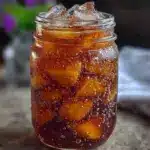
A simple and approachable recipe for making fizzy, tangy homemade kombucha using basic pantry ingredients and minimal equipment. Perfect for beginners and those seeking a refreshing, probiotic-rich beverage.
- Prep Time: 10 minutes
- Cook Time: 7 to 10 days (fermentation)
- Total Time: 7 to 10 days and 10 minutes
- Yield: Approximately 1 gallon (4 liters) of kombucha 1x
- Category: Beverage
- Cuisine: Fermented Drink
Ingredients
- 4 cups (1 liter) filtered or spring water
- 2 tablespoons loose black tea or 4 black tea bags
- 1 cup (200 grams) granulated white sugar
- 1 healthy kombucha SCOBY
- 1 cup (240 ml) unflavored, unpasteurized kombucha starter liquid
Instructions
- Boil 4 cups (1 liter) of filtered water. Remove from heat and steep 2 tablespoons of black tea or 4 black tea bags for about 10 minutes. Remove tea leaves or bags.
- While the tea is still warm (around 175°F/80°C), stir in 1 cup (200 grams) of granulated sugar until fully dissolved.
- Let the sweetened tea cool to room temperature (68–78°F or 20–25°C), which usually takes 1–2 hours.
- Pour the cooled tea into a 1-gallon (4-liter) wide-mouth glass jar.
- Gently place the SCOBY into the jar along with 1 cup (240 ml) of unflavored, raw kombucha as starter liquid.
- Cover the jar with a breathable cloth or coffee filter and secure with a rubber band. Place the jar in a warm, dark spot (70–75°F or 21–24°C) away from direct sunlight or drafts.
- Let the mixture ferment undisturbed for 7–10 days. Taste daily after day 7 to find your preferred balance of sweetness and tanginess.
- Once satisfied, carefully remove the SCOBY and reserve 1 cup (240 ml) of kombucha for your next batch. The remaining kombucha is ready for the second ferment or to drink as is.
Notes
Avoid using flavored or herbal teas during the first ferment as they can harm the SCOBY. Maintain fermentation temperature between 70–75°F (21–24°C) for best results. Always cool the tea before adding the SCOBY to prevent damage. Use glass containers to avoid contamination. Taste test after 7 days to find your preferred flavor balance. Store SCOBY in starter liquid in the fridge when not in use.
Nutrition
- Serving Size: 8 ounces (240 ml)
- Calories: 30
- Sugar: 7
- Carbohydrates: 7
Keywords: kombucha, homemade kombucha, fizzy kombucha, fermented tea, probiotic drink, first ferment kombucha, easy kombucha recipe