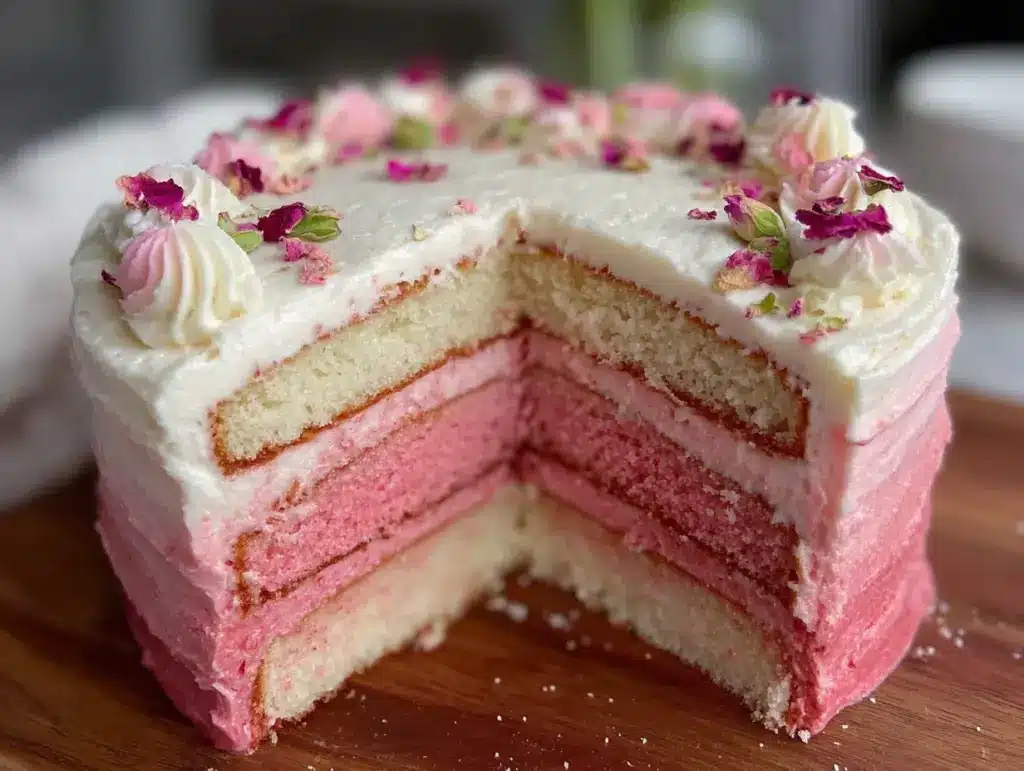
The first time I made this elegant pink ombré rosé cake, I was honestly blown away by how it looked and tasted—like a little slice of celebration. There’s something about the soft gradient of pinks blending seamlessly from light blush to a deep rosy hue that makes this cake feel so special, almost like a floral bouquet you can eat. Plus, the velvety buttercream frosting adds a smooth, dreamy touch that balances the delicate rosé flavor perfectly.
I’ve baked this cake more times than I can count now, tweaking the recipe here and there to get that perfect texture and flavor every single time. It’s become my go-to for birthdays, bridal showers, or any moment that calls for a touch of elegance without fuss. If you love cakes that look like art and taste like a dream, this pink ombré rosé cake is going to be right up your alley.
What’s really cool is that this recipe uses real rosé wine to infuse a subtle fruity note that’s not overpowering but unmistakably charming. Whether you’re baking for a party or just because, this cake brings a fresh twist to classic flavors. You know I wouldn’t share it if it wasn’t truly worth the time, and I’m excited to walk you through every step!
Why You’ll Love This Recipe
- Quick & Easy: Despite its fancy look, this cake comes together surprisingly fast—perfect for impressing guests without the stress.
- Simple Ingredients: Most of what you need is probably already in your pantry or fridge, with the rosé adding that extra something special.
- Perfect for Special Occasions: Whether it’s a birthday, anniversary, or just a weekend treat, this cake screams celebration.
- Crowd-Pleaser: The subtle wine flavor combined with creamy buttercream always wins over both wine lovers and cake enthusiasts.
- Unbelievably Delicious: The texture is light yet moist, and the buttercream is silky-smooth, making each bite melt in your mouth.
This isn’t just any pink cake—it’s the kind that makes you pause, close your eyes, and savor. The ombré effect is created by layering different shades of pink batter, which is fun to assemble and results in a stunning presentation. Plus, blending rosé into the batter and buttercream adds a delicate, floral note that feels fancy but is honestly easy to pull off. I’ve tested this recipe multiple times and can tell you it holds up beautifully every time—no complicated techniques, just pure joy.
What Ingredients You Will Need
This recipe keeps things straightforward with ingredients that bring out the best in the rosé and pink ombré effect, while giving you a luscious, velvety buttercream to top it all off. Here’s what you’ll want to have on hand:
- For the Cake Batter:
- All-purpose flour, 2¾ cups (345g) – the base for a tender crumb
- Baking powder, 2½ teaspoons – for that perfect rise
- Salt, ½ teaspoon – to balance the sweetness
- Unsalted butter, 1 cup (227g), softened – adds richness
- Granulated sugar, 1¾ cups (350g) – for sweetness and structure
- Large eggs, 4, room temperature – binds and adds moisture
- Whole milk, 1 cup (240ml), room temperature – keeps it moist
- Rosé wine, ½ cup (120ml) – brings that delicate floral-fruity note
- Pure vanilla extract, 2 teaspoons – rounds out the flavors
- Pink gel food coloring – adjust to create your ombré shades
- For the Velvety Buttercream:
- Unsalted butter, 1 cup (227g), softened – the creamy base
- Powdered sugar, 4 cups (480g), sifted – for smooth sweetness
- Rosé wine, 2-3 tablespoons (30-45ml) – infuses gentle flavor
- Pure vanilla extract, 1 teaspoon – adds depth
- Pinch of salt – balances the sweetness
For best results, I recommend using a good quality rosé with fruity notes—something like a dry Provence rosé works beautifully. When selecting butter, go for unsalted to control the salt level, and make sure it’s nicely softened but not melted. The pink gel food coloring is key here; liquid colors can dilute the batter, so gel is my personal favorite for vibrant hues without altering the texture.
If you want to swap the all-purpose flour for a gluten-free blend, that’s doable, but check the baking powder freshness to ensure a good rise. Also, whole milk really helps with moisture, but you can use almond or oat milk for a dairy-free twist. Oh, and don’t skip sifting the powdered sugar for the buttercream—it makes a world of difference in smoothness!
Equipment Needed
- Two or three 8-inch (20 cm) round cake pans – for layering the ombré effect
- Electric mixer (stand or hand-held) – essential for smooth batter and buttercream
- Mixing bowls – at least two, one for dry ingredients, one for wet
- Measuring cups and spoons – for accurate ingredient amounts
- Rubber spatula – to fold and scrape the batter gently
- Cooling racks – to cool the cakes evenly and prevent sogginess
- Offset spatula or butter knife – for spreading the buttercream smoothly
- Piping bag and tips (optional) – if you want to add decorative frosting
If you don’t have multiple cake pans, you can bake the layers one at a time, but be sure to let each layer cool completely before adding the next. For the mixer, I’ve found that a stand mixer makes life easier, especially when whipping the buttercream, but a hand mixer works just fine too. When it comes to tools, simple and reliable is best—no fancy gadgets needed here!
Detailed Preparation Method
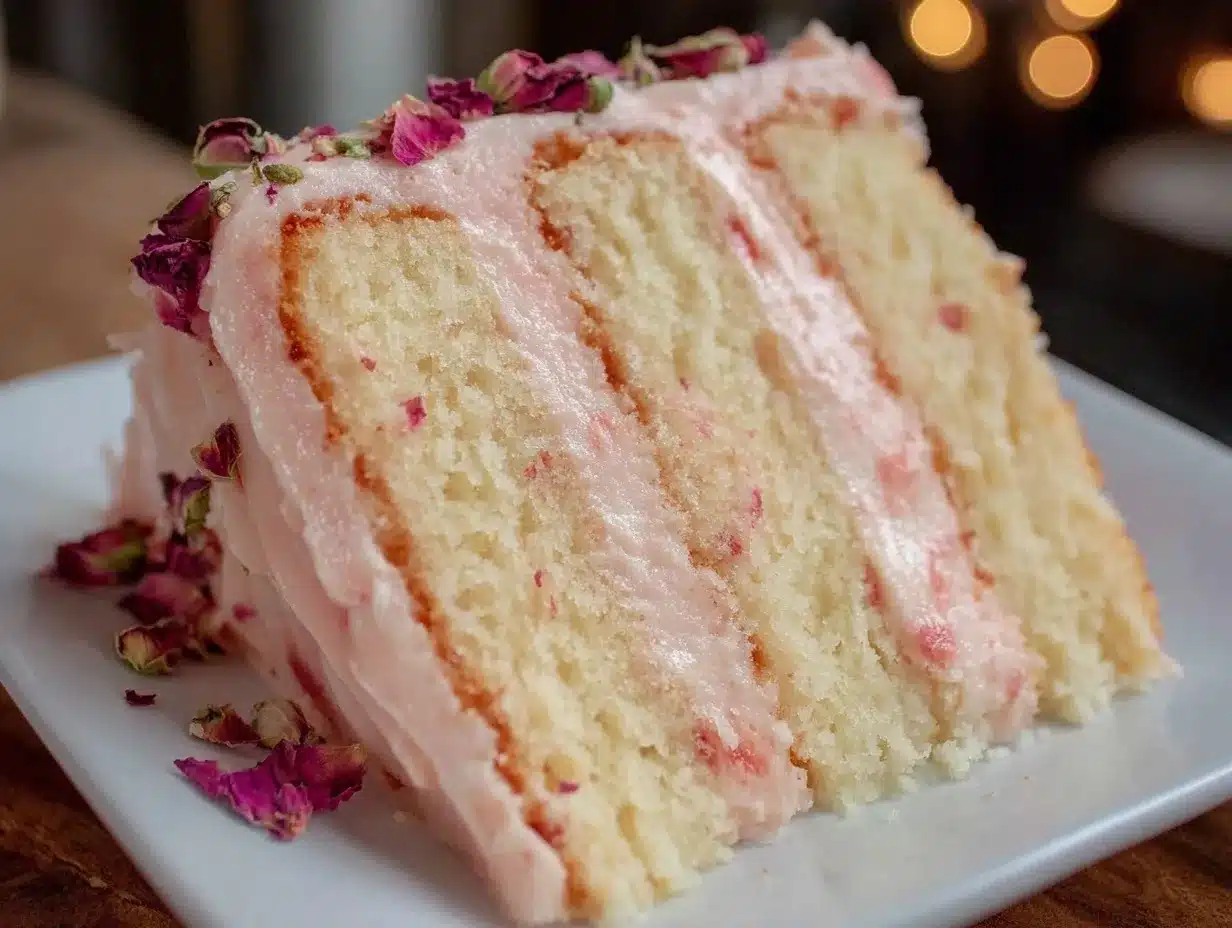
- Preheat and prepare pans: Set your oven to 350°F (175°C). Grease and flour two or three 8-inch cake pans, or line them with parchment paper. This helps the layers release easily after baking. (Time: 10 minutes)
- Mix dry ingredients: In a medium bowl, whisk together 2¾ cups (345g) all-purpose flour, 2½ teaspoons baking powder, and ½ teaspoon salt. This ensures even distribution of the leavening agents. (Time: 5 minutes)
- Cream butter and sugar: In a large bowl, beat 1 cup (227g) softened unsalted butter with 1¾ cups (350g) granulated sugar using an electric mixer on medium speed until pale and fluffy—about 3-5 minutes. This step is key for a tender cake crumb. (Time: 5 minutes)
- Add eggs: Beat in 4 large eggs one at a time, mixing well after each addition. This helps the batter emulsify properly. (Time: 3 minutes)
- Combine wet ingredients: In a separate bowl or measuring cup, mix 1 cup (240ml) whole milk, ½ cup (120ml) rosé wine, and 2 teaspoons vanilla extract. (Time: 2 minutes)
- Alternate adding dry and wet ingredients: Add the flour mixture and the milk-rosé mixture alternately to the butter-sugar-egg mixture, starting and ending with the flour. Mix on low speed just until combined—don’t overmix or the cake will be dense. (Time: 5 minutes)
- Divide and color batter: Evenly divide the batter into two or three bowls (depending on how many ombré layers you want). Add a small amount of pink gel food coloring to each bowl, increasing the amount gradually to create a gradient from light to dark pink. Mix gently until the color is uniform. (Time: 5 minutes)
- Pour and bake: Pour each color batter into prepared pans and smooth the tops with a spatula. Bake for 25-30 minutes or until a toothpick inserted into the center comes out clean. (Time: 25-30 minutes)
- Cool: Let cakes cool in the pans for 10 minutes before transferring them to wire racks to cool completely. This prevents sogginess and makes frosting easier. (Time: 30-40 minutes)
- Make the buttercream: Beat 1 cup (227g) softened unsalted butter on medium speed until creamy. Gradually add 4 cups (480g) sifted powdered sugar, mixing on low until combined. Add 2-3 tablespoons (30-45ml) rosé wine, 1 teaspoon vanilla extract, and a pinch of salt. Beat on high for 3-5 minutes until light and fluffy. Adjust rosé quantity to taste and consistency. (Time: 10 minutes)
- Assemble the cake: Place the darkest pink layer on your serving plate. Spread a thin, even layer of buttercream on top. Repeat with remaining layers from darkest to lightest, finishing with the lightest on top. (Time: 10 minutes)
- Frost the outside: Use the offset spatula to apply a crumb coat—a thin layer of buttercream that traps crumbs. Chill for 15 minutes, then apply a final smooth layer. (Time: 20 minutes)
- Optional decoration: Pipe borders or rosettes with remaining buttercream or add fresh berries or edible flowers for an extra touch. (Time: 10 minutes)
Pro tip: Don’t skip chilling between the crumb coat and final frosting. It helps the buttercream set so you get that flawless finish. Also, keep an eye on the oven as baking times can vary slightly based on your pan and oven type. If the cake edges brown too quickly, tent with foil halfway through.
Cooking Tips & Techniques
One of my favorite tricks for this pink ombré rosé cake is to always use room temperature ingredients. It makes mixing easier and gives you a smoother batter. When creaming butter and sugar, patience is key—beat until it looks light and fluffy, or the cake won’t be as tender.
Avoid overmixing once you add the dry ingredients. You want everything just combined; overdoing it develops gluten and leads to a tougher cake. When coloring the batter, gel colors are your best friend because they pack a punch without thinning the batter.
For the buttercream, start slow when adding rosé wine. Too much liquid can make it runny, so add a tablespoon at a time. If it does get too soft, pop it in the fridge for a bit and then whip it again.
Also, don’t underestimate the power of chilling the cake layers before frosting. It makes assembly easier and keeps crumbs at bay. Finally, if you’re short on time, you can bake all layers at once if you have multiple pans—just rotate them halfway for even baking.
Variations & Adaptations
This pink ombré rosé cake is pretty adaptable depending on your mood or dietary needs. Here are a few ways I’ve played with it:
- Gluten-Free Version: Swap the all-purpose flour for a 1:1 gluten-free baking blend. Make sure your blend contains xanthan gum or add a teaspoon separately for structure.
- Dairy-Free Adaptation: Use coconut oil or dairy-free margarine instead of butter, and swap milk for almond or oat milk. The rosé buttercream can be made with vegan butter and powdered sugar.
- Flavor Twist: Add a teaspoon of rose water to the batter and buttercream for a floral note that complements the rosé beautifully. Alternatively, incorporate fresh raspberries between layers for a fruity surprise.
- Alternative Coloring: For a softer, more natural pink, try beet juice powder or strawberry puree instead of gel food coloring. Just adjust quantity to avoid making the batter too wet.
- Baking Method: If you prefer cupcakes, this batter works great too. Reduce baking time to 18-22 minutes and frost once cooled.
Personally, I once made a version with a lemon-rosé combo by adding lemon zest and juice to the batter and it was a refreshing hit at a summer garden party. Feel free to experiment and make this recipe your own!
Serving & Storage Suggestions
This cake is best served at room temperature so the buttercream stays creamy and the flavors shine through. I like to slice it into generous wedges and pair it with a chilled glass of rosé or a light sparkling wine for a pretty presentation.
If you’re serving it for a party, arrange slices on a pastel-colored platter and garnish with edible flowers or fresh berries for that wow factor. It also pairs nicely with fresh fruit salads or a simple vanilla bean ice cream for dessert.
To store, keep the cake covered in the refrigerator for up to 3 days. The buttercream protects the cake layers, but because of the wine, refrigeration is best to maintain freshness. For longer storage, you can freeze the cake layers separately wrapped tightly for up to 2 months and frost after thawing.
When reheating slices, let them come to room temperature for about 30 minutes. You can also warm gently in a microwave for 10-15 seconds, but be careful not to melt the frosting. Over time, the rosé flavor melds beautifully, making leftovers taste even better the next day.
Nutritional Information & Benefits
This elegant pink ombré rosé cake isn’t just a treat for your taste buds but offers some modest nutritional perks. Each slice (assuming 12 servings) contains roughly 350-400 calories, with a good balance of fats and carbohydrates for energy.
The use of rosé wine adds antioxidants from the grapes, and the butter provides vitamin A and healthy fats when consumed in moderation. Using whole milk contributes calcium and protein to keep things balanced.
If you opt for the gluten-free or dairy-free versions, it can accommodate common dietary restrictions without compromising flavor. Just keep in mind that this recipe does contain eggs and butter unless adapted accordingly, so it’s not suitable for vegans without substitutions.
From a wellness perspective, enjoying a slice of this cake in moderation is a delightful way to indulge while still appreciating quality ingredients and homemade care.
Conclusion
To wrap it up, this elegant pink ombré rosé cake with velvety buttercream is a showstopper that’s surprisingly easy to make. Whether you want a beautiful centerpiece for a special occasion or a decadent treat to brighten your day, this recipe delivers on all fronts—flavor, texture, and looks.
I encourage you to play around with the colors and flavors to make it truly your own. Trust me, once you taste that hint of rosé and the smooth buttercream, you’ll find yourself coming back to this recipe again and again. It’s one of those cakes that brings a little magic to the everyday.
If you try it, please let me know how it turns out! Share your photos, tweaks, or questions in the comments—I love hearing from fellow bakers. Happy baking and here’s to many sweet moments with this beautiful pink ombré rosé cake!
FAQs
Can I use a different type of wine instead of rosé?
Yes, you can swap rosé for a light white wine like Pinot Grigio or even a sparkling wine. Just make sure it’s dry and not too overpowering to keep the delicate flavor balance.
How do I achieve the perfect ombré effect?
Divide your batter evenly and add pink gel food coloring in increasing amounts to each portion. Pour the lightest shade first and the darkest last to get that smooth gradient when sliced.
Can I make this cake ahead of time?
Absolutely! You can bake the layers a day or two before and store them wrapped tightly in the fridge. Assemble and frost the day you plan to serve for the freshest taste.
What if I don’t have gel food coloring?
Natural alternatives like beet powder or strawberry puree can work, but be mindful that they may alter the batter’s moisture and flavor slightly.
Is this cake suitable for kids?
Since it contains rosé wine, it’s best for adults. However, you can reduce the rosé significantly or omit it for a kid-friendly version while keeping the beautiful pink layers and buttercream.
Pin This Recipe!
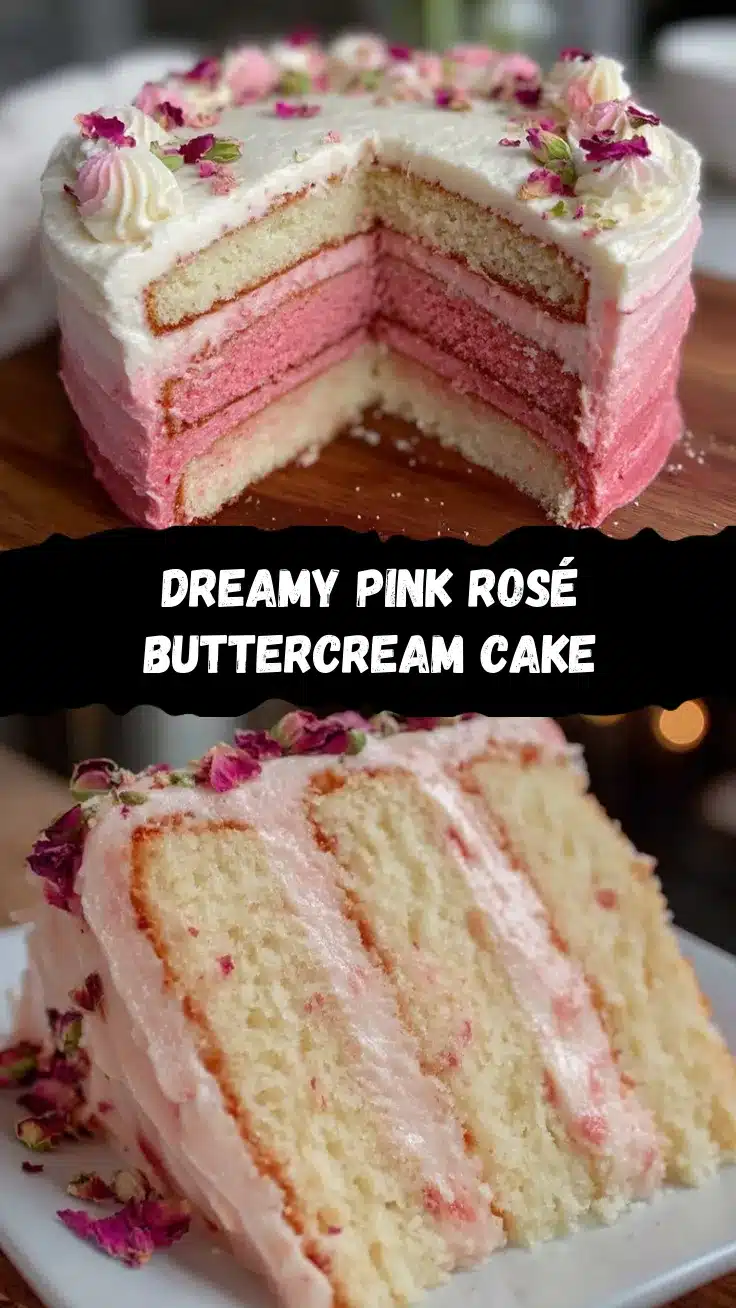
Elegant Pink Ombré Rosé Cake
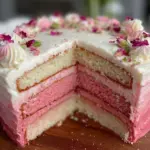
An elegant pink ombré cake infused with rosé wine and topped with velvety buttercream, perfect for special occasions and celebrations.
- Prep Time: 30 minutes
- Cook Time: 25-30 minutes
- Total Time: 1 hour 15 minutes
- Yield: 12 servings 1x
- Category: Dessert
- Cuisine: American
Ingredients
- 2¾ cups (345g) all-purpose flour
- 2½ teaspoons baking powder
- ½ teaspoon salt
- 1 cup (227g) unsalted butter, softened
- 1¾ cups (350g) granulated sugar
- 4 large eggs, room temperature
- 1 cup (240ml) whole milk, room temperature
- ½ cup (120ml) rosé wine
- 2 teaspoons pure vanilla extract
- Pink gel food coloring
- For the Buttercream:
- 1 cup (227g) unsalted butter, softened
- 4 cups (480g) powdered sugar, sifted
- 2–3 tablespoons (30-45ml) rosé wine
- 1 teaspoon pure vanilla extract
- Pinch of salt
Instructions
- Preheat oven to 350°F (175°C). Grease and flour two or three 8-inch cake pans or line with parchment paper.
- In a medium bowl, whisk together flour, baking powder, and salt.
- In a large bowl, beat softened butter and granulated sugar on medium speed until pale and fluffy, about 3-5 minutes.
- Beat in eggs one at a time, mixing well after each addition.
- In a separate bowl, combine whole milk, rosé wine, and vanilla extract.
- Alternately add the flour mixture and milk-rosé mixture to the butter mixture, starting and ending with flour. Mix on low speed just until combined.
- Divide batter evenly into two or three bowls. Add pink gel food coloring in increasing amounts to create ombré shades. Mix gently until uniform.
- Pour each colored batter into prepared pans and smooth tops.
- Bake for 25-30 minutes or until a toothpick inserted in the center comes out clean.
- Let cakes cool in pans for 10 minutes, then transfer to wire racks to cool completely.
- For the buttercream, beat softened butter on medium speed until creamy.
- Gradually add sifted powdered sugar, mixing on low until combined.
- Add rosé wine, vanilla extract, and salt. Beat on high for 3-5 minutes until light and fluffy. Adjust rosé quantity as needed.
- Assemble cake by placing darkest pink layer on serving plate. Spread a thin layer of buttercream on top. Repeat with remaining layers from darkest to lightest.
- Apply a crumb coat of buttercream on the outside. Chill for 15 minutes.
- Apply a final smooth layer of buttercream.
- Optional: Pipe decorative borders or rosettes with remaining buttercream or add fresh berries or edible flowers.
Notes
Use room temperature ingredients for best results. Avoid overmixing batter to keep cake tender. Use gel food coloring for vibrant ombré effect. Chill cake between crumb coat and final frosting for a smooth finish. Adjust rosé wine in buttercream slowly to avoid runniness. Can substitute gluten-free flour and dairy-free alternatives as needed.
Nutrition
- Serving Size: 1 slice (1/12 of cak
- Calories: 375
- Sugar: 38
- Sodium: 180
- Fat: 18
- Saturated Fat: 11
- Carbohydrates: 52
- Fiber: 1
- Protein: 4
Keywords: pink ombré cake, rosé cake, buttercream frosting, elegant cake, celebration cake, layered cake, rosé wine cake