The smell of warm, buttery Parker House rolls fresh from the oven is something that never fails to make my kitchen feel like the heart of the home. Honestly, I first stumbled upon this recipe one chilly evening when I craved something soft, pillowy, and just a little indulgent to go alongside dinner. These irresistible buttery soft Parker House rolls quickly became a family favorite, and I’ve baked them so many times now that I almost know the recipe by heart.
What’s great about this recipe is how it combines simplicity with that rich, melt-in-your-mouth texture you’d expect from a fancy bakery, but without needing to be a pro baker yourself. The rolls are just the right balance of soft and fluffy, with a buttery crust that makes each bite a tiny celebration. If you’re looking for homemade rolls that impress but don’t stress, these Parker House rolls are your go-to.
After perfecting this recipe through countless batches, tweaking the butter amount here, the rise time there, I’m excited to share all the tips and tricks to help you make these irresistible buttery soft Parker House rolls your new kitchen staple. Whether you’re serving them up for a holiday feast or just a cozy family dinner, I promise these rolls will bring a little extra warmth to your table.
Why You’ll Love This Recipe
- Quick & Easy: Comes together in under 3 hours, including rising time — perfect for last-minute dinner plans.
- Simple Ingredients: No need for fancy stuff; just pantry staples like flour, yeast, butter, and milk.
- Perfect for Any Occasion: Ideal for holiday dinners, Sunday suppers, or weekend brunches.
- Crowd-Pleaser: Kids and adults alike can’t get enough of the soft, buttery texture.
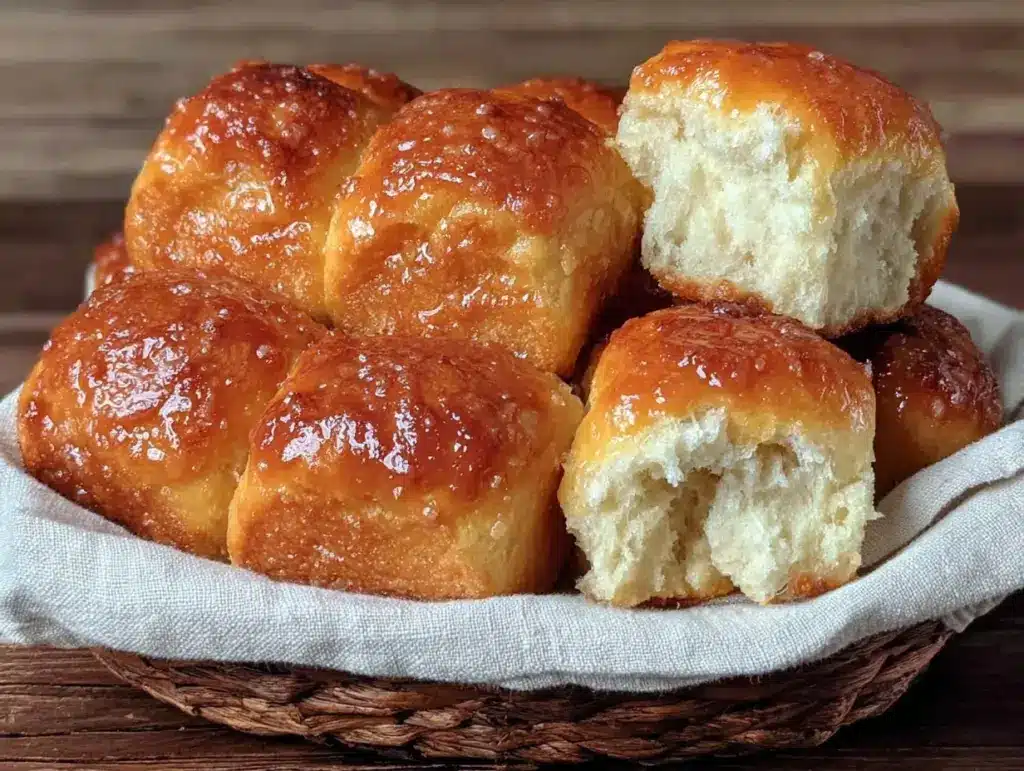
- Unbelievably Delicious: That golden, buttery crust with a tender crumb inside is pure comfort food magic.
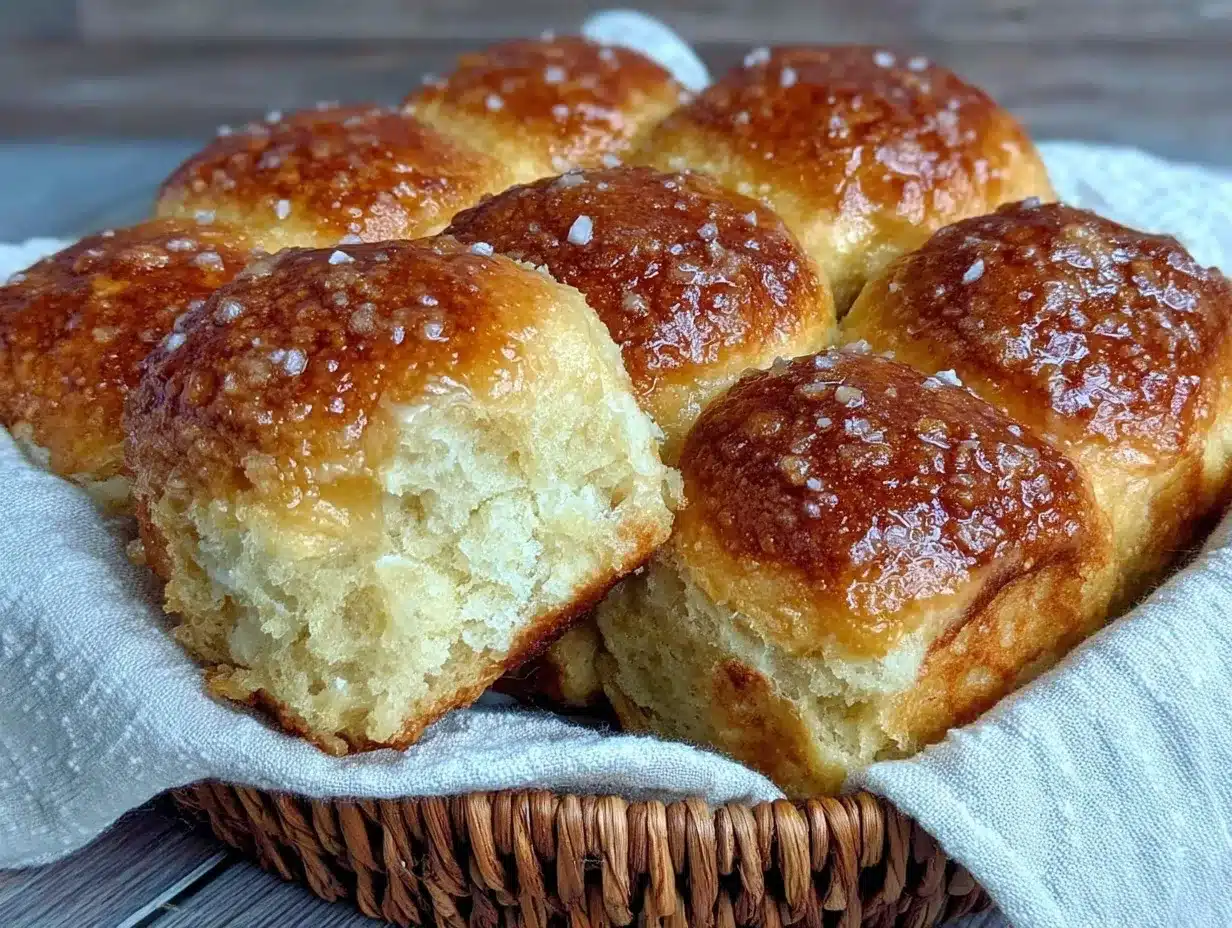
What sets this Parker House rolls recipe apart is the buttery dough folded over before baking, which creates that classic pillowy softness and unique shape. I like to brush extra melted butter on top halfway through baking — it’s a little trick I picked up that makes the crust perfectly tender and shiny. And honestly, once you taste these rolls, you’ll understand why they’re a timeless favorite.
These rolls carry a nostalgic vibe but with a homemade freshness that’s unbeatable. They’re not just bread; they’re the kind of food that makes you pause, savor, and maybe even close your eyes for a moment — you know, the good kind of food moment that sticks with you.
What Ingredients You Will Need
This recipe uses simple, wholesome ingredients that come together beautifully to deliver rich flavor and soft texture without any fuss. Most of these are pantry staples, and I’ve included some notes to help you pick the best versions or swap where needed.
- All-Purpose Flour – 4 cups (480g); I prefer King Arthur for consistent texture, but any brand works fine.
- Active Dry Yeast – 2 ¼ teaspoons (one packet); fresh yeast also works if you have it on hand.
- Warm Whole Milk – 1 cup (240ml); about 110°F (43°C) to activate the yeast properly.
- Granulated Sugar – 2 tablespoons; adds a touch of sweetness to balance the buttery notes.
- Unsalted Butter – 6 tablespoons (85g), softened for dough + extra melted for brushing; real butter really makes the flavor pop.
- Large Eggs – 2, room temperature; these add richness and help with the soft crumb.
- Salt – 1 teaspoon; enhances all the flavors.
- Optional: Honey – 1 tablespoon; for a subtle floral sweetness if you like.
If you’re looking for gluten-free options, you can try a 1:1 gluten-free baking flour blend, but the texture will be different. For dairy-free, swap the milk for almond or oat milk and butter for vegan butter or coconut oil — still delicious, but not quite the same buttery softness.
Equipment Needed
- Mixing Bowls: A large bowl for dough mixing and a smaller one for proofing.
- Stand Mixer with Dough Hook: Optional but a huge time saver for kneading; hand-kneading works fine too.
- Measuring Cups and Spoons: For precise ingredient amounts.
- Baking Sheet or Pan: I use a rimmed baking sheet lined with parchment paper for easy cleanup.
- Kitchen Towel or Plastic Wrap: To cover dough during rising.
- Pastry Brush: For brushing melted butter — a must-have for that signature shine.
If you don’t have a stand mixer, don’t sweat it! I’ve made these rolls many times by hand, and it’s totally doable. Just give yourself a bit more elbow grease and kneading time. Also, a digital kitchen thermometer helps check milk temperature, but you can test warmth by feeling if it’s warm—not hot—on your wrist.
Detailed Preparation Method
- Activate the Yeast (10 minutes): Warm your milk to about 110°F (43°C) — warm enough to feel cozy on your skin but not hot. Stir in the sugar and sprinkle the yeast evenly over the top. Let it sit for 5-10 minutes until it’s foamy and bubbly. This tells you the yeast is alive and kicking.
- Mix the Dough (10 minutes): In a large bowl or your stand mixer, combine the flour and salt. Add the yeast mixture, softened butter (reserve some for brushing later), and eggs. Mix on low speed (or stir with a wooden spoon) until it forms a shaggy dough.
- Knead the Dough (8-10 minutes): Knead on a floured surface or with the dough hook until the dough is smooth, elastic, and slightly tacky — it should bounce back when poked gently. Add a little flour if it’s too sticky, but don’t overdo it or rolls will turn dense.
- First Rise (1 to 1.5 hours): Place the dough in a greased bowl, cover with a kitchen towel or plastic wrap, and set in a warm spot. It should double in size — this is your dough’s “wake-up” call.
- Shape the Rolls (15 minutes): Gently punch down the dough to release air. Divide into 12 equal pieces (about 2 ounces or 56 grams each). Roll each piece into an oval, then fold in half with a little overlap, pressing gently to seal. Place folded rolls close together on your baking sheet, seam side down, so they touch — this helps them stay soft and pull apart easily.
- Second Rise (45 minutes): Cover the shaped rolls loosely with a towel and let them rise again until puffy and almost doubled.
- Bake (15-18 minutes): Preheat your oven to 375°F (190°C). Just before baking, brush the tops generously with melted butter. Bake until golden brown and the rolls sound hollow when tapped. Halfway through baking, brush again with butter for that extra soft, buttery crust.
- Cool & Serve: Let the rolls cool for a few minutes on a wire rack. Serve warm for best buttery softness, or store in an airtight container once cooled.
Pro tip: If your dough feels too sticky or dry, adjust with small amounts of flour or milk until it feels just right — soft and a little tacky but not clinging to your hands.
Cooking Tips & Techniques
Making Parker House rolls is fun, but a few tips make the difference between good rolls and irresistible ones. First, be patient with your rises — rushing this step can make the rolls dense. I usually set a timer and check the dough visually rather than timing strictly because temperature affects rise time.
When kneading, you know you’re done when the dough is smooth and springs back when you poke it — that elasticity is what traps air and creates fluffiness. Also, don’t skip the butter brushing! It’s tempting, but that step gives the rolls their signature tender crust and rich flavor.
One mistake I made early on was placing the rolls too far apart on the pan. Parker House rolls are meant to bake touching each other so they pull apart easily and stay moist on the sides. Trust me, this little detail is a game-changer.
Lastly, try to bake immediately after the second rise. If you wait too long, the dough can overproof and collapse, leading to flat rolls. If you’re multitasking, set a timer so you don’t forget — been there, done that!
Variations & Adaptations
- Whole Wheat Version: Substitute half the all-purpose flour with whole wheat for a nuttier flavor and added fiber. The texture will be slightly denser but still tender.
- Garlic Herb Rolls: Mix minced garlic and chopped fresh herbs (like rosemary or thyme) into the butter before brushing for a savory twist that’s perfect with soups and roasts.
- Vegan Adaptation: Use plant-based milk (like almond or oat) and replace butter with vegan butter or coconut oil. Swap eggs with flax eggs (1 tablespoon ground flax + 3 tablespoons water per egg). The texture will be a little different but still delicious.
- Gluten-Free Option: Use a 1:1 gluten-free baking flour blend and add a bit of xanthan gum if your blend doesn’t contain it. Keep in mind the dough will be stickier — handle gently and expect a more crumbly texture.
- Sweet Rolls: Add 2 tablespoons honey or maple syrup to the dough for a touch of sweetness, perfect for breakfast or brunch.
Last winter, I tried adding cinnamon and raisins to the dough for a cozy holiday version. It was a hit — soft, warm, and bursting with flavor. Don’t be afraid to experiment with your favorite mix-ins!
Serving & Storage Suggestions
Serve these Parker House rolls warm, right out of the oven, with a pat of butter or honey on top — honestly, that’s pure bliss. They’re perfect alongside soups, salads, roasted meats, or even as sandwich buns. For a special touch, arrange them in a basket lined with a cozy napkin for guests.
To store, place cooled rolls in an airtight container or resealable bag. They keep well at room temperature for 2 days. For longer storage, freeze them wrapped tightly in foil and a freezer bag for up to 3 months.
Reheat frozen or refrigerated rolls by wrapping in foil and warming in a 350°F (175°C) oven for 10-15 minutes. You can also microwave them covered for 15-20 seconds if you’re in a hurry, but the oven method brings back that fresh-baked softness best.
Fun fact — flavors actually mellow and deepen if you make the dough a day ahead and refrigerate it overnight before baking. It’s worth trying if you want to prep in advance and enjoy a little extra depth in your rolls.
Nutritional Information & Benefits
Each Parker House roll contains approximately 180 calories, 6 grams of fat, 25 grams of carbohydrates, and 5 grams of protein. The butter adds richness and healthy fats, while the eggs contribute protein and moisture to keep the rolls soft.
Using whole milk and real butter means these rolls provide a good source of calcium and vitamin A, though they’re definitely a treat best enjoyed in moderation. You can easily adjust ingredients to fit dietary needs, such as using almond milk and vegan butter for dairy-free diets or swapping flours for gluten sensitivity.
From my perspective as someone who loves balancing comfort food with wellness, these rolls hit a sweet spot — they satisfy cravings and bring joy without feeling heavy or overly processed.
Conclusion
These irresistible buttery soft Parker House rolls are truly a joy to make and eat. They’re soft, tender, and buttery — exactly what you want from a homemade roll. Whether you’re new to bread baking or a seasoned pro, this recipe is straightforward enough to nail every time but special enough to impress.
Feel free to tweak and customize based on your taste — maybe add herbs, swap flours, or try a sweet version. I love how these rolls bring warmth and comfort to my table, and I hope they do the same for you.
If you give this recipe a try, please leave a comment or share your favorite variations. I’d love to hear how your Parker House rolls turn out! Happy baking and enjoy every buttery bite.
FAQs
Can I use instant yeast instead of active dry yeast?
Yes! If using instant yeast, reduce the amount slightly to about 2 teaspoons and mix it directly with the dry ingredients. Skip the activation step with warm milk.
How can I make the rolls extra soft?
Brush the tops generously with melted butter before and halfway through baking, and bake the rolls close together so they steam slightly and stay moist on the sides.
Can I freeze Parker House rolls?
Absolutely. Cool completely, wrap tightly in foil, then freeze for up to 3 months. Reheat in the oven wrapped in foil to restore softness.
Why did my rolls turn out dense?
Common causes include not kneading enough, rushing the rise times, or too much flour. Make sure the dough is smooth and elastic and allow it to rise until doubled.
Can I make these rolls vegan?
Yes, substitute dairy milk and butter with plant-based alternatives and replace eggs with flax or chia egg substitutes. The texture may be slightly different but still tasty.
Pin This Recipe!
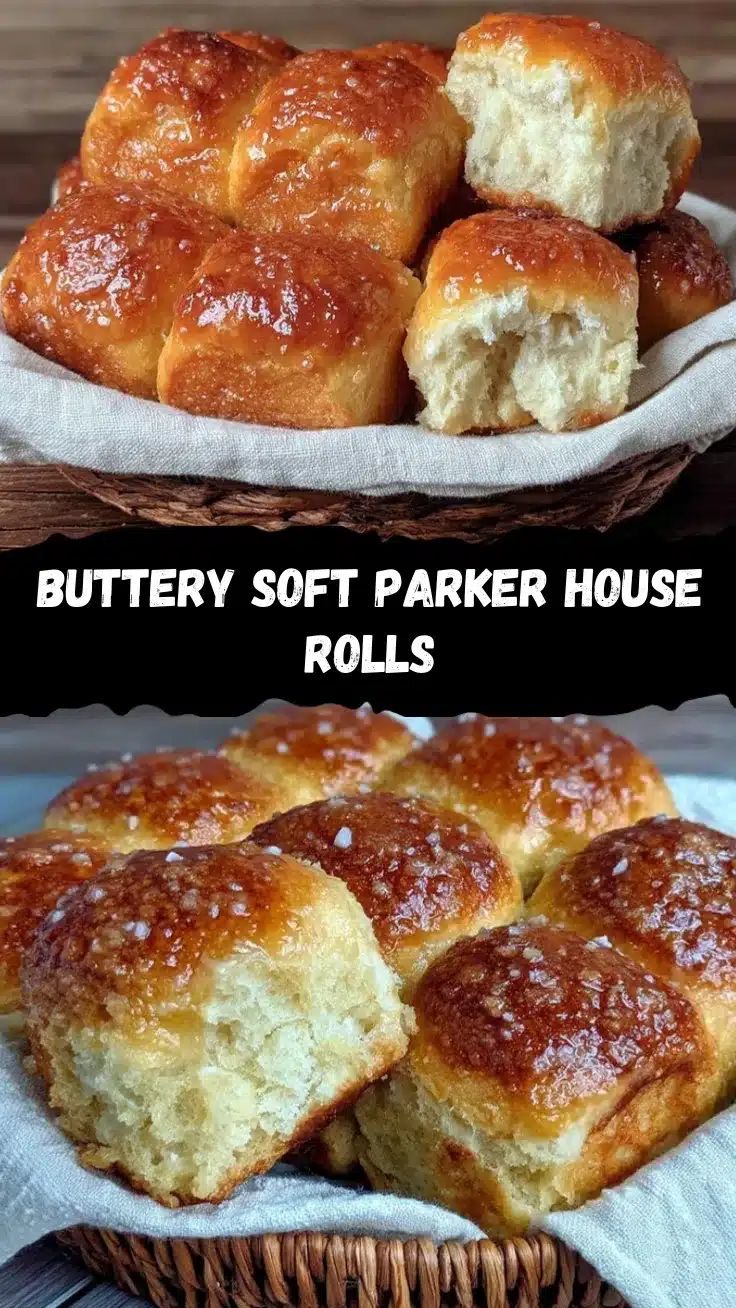
Irresistible Buttery Soft Parker House Rolls
These Parker House rolls are soft, fluffy, and buttery with a tender crust, perfect for any occasion from holiday dinners to cozy family meals. The recipe combines simple pantry staples to create irresistible homemade rolls that impress without stress.
- Prep Time: 30 minutes
- Cook Time: 15-18 minutes
- Total Time: 2 hours 30 minutes to 3 hours
- Yield: 12 rolls 1x
- Category: Bread
- Cuisine: American
Ingredients
- 4 cups (480g) all-purpose flour
- 2 ¼ teaspoons active dry yeast (one packet)
- 1 cup (240ml) warm whole milk (about 110°F / 43°C)
- 2 tablespoons granulated sugar
- 6 tablespoons (85g) unsalted butter, softened for dough + extra melted for brushing
- 2 large eggs, room temperature
- 1 teaspoon salt
- Optional: 1 tablespoon honey
Instructions
- Activate the Yeast (10 minutes): Warm milk to about 110°F (43°C). Stir in sugar and sprinkle yeast over the top. Let sit 5-10 minutes until foamy.
- Mix the Dough (10 minutes): In a large bowl or stand mixer, combine flour and salt. Add yeast mixture, softened butter (reserve some for brushing), and eggs. Mix until shaggy dough forms.
- Knead the Dough (8-10 minutes): Knead on floured surface or with dough hook until smooth, elastic, and slightly tacky. Add flour if too sticky, but avoid overdoing it.
- First Rise (1 to 1.5 hours): Place dough in greased bowl, cover, and let rise in warm spot until doubled in size.
- Shape the Rolls (15 minutes): Punch down dough, divide into 12 equal pieces (~2 oz / 56g each). Roll each into an oval, fold in half with slight overlap, press to seal. Place seam side down close together on baking sheet.
- Second Rise (45 minutes): Cover loosely and let rolls rise until puffy and nearly doubled.
- Bake (15-18 minutes): Preheat oven to 375°F (190°C). Brush tops with melted butter before baking and halfway through. Bake until golden and hollow sounding when tapped.
- Cool & Serve: Cool on wire rack for a few minutes. Serve warm or store in airtight container once cooled.
Notes
Brush rolls with melted butter before and halfway through baking for a tender, shiny crust. Bake rolls touching each other to keep sides soft and pull-apart. Adjust flour or milk slightly if dough is too sticky or dry. Be patient with rise times to avoid dense rolls.
Nutrition
- Serving Size: 1 roll
- Calories: 180
- Fat: 6
- Carbohydrates: 25
- Protein: 5
Keywords: Parker House rolls, buttery rolls, soft rolls, homemade bread, easy rolls, dinner rolls, bakery style rolls