“You seriously have to try this frittata,” my friend Sarah texted me one Saturday morning, right when I was debating whether to brave the grocery store or just order takeout again. I was skeptical—frittatas always sounded like something fancy brunch spots served, not the kind of thing I could whip up in my cramped kitchen without a mess. But after a long week, the idea of something fresh, light, and bursting with spring veggies sounded like exactly what I needed.
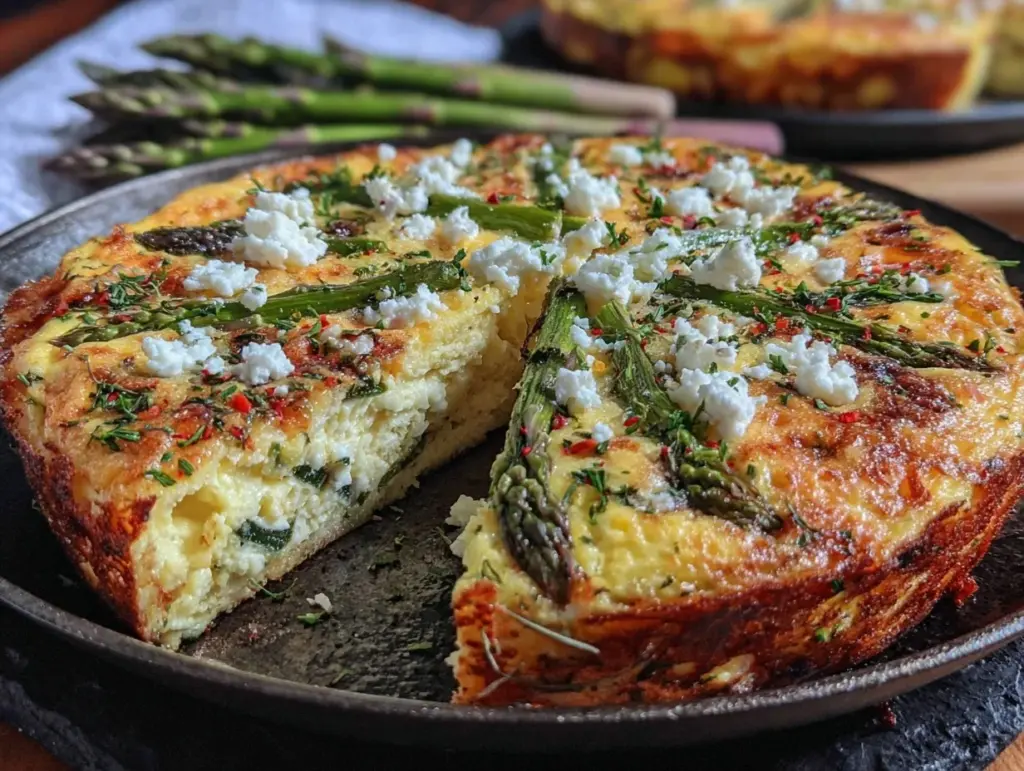
That afternoon, I found myself chopping tender asparagus tips and snapping fresh peas while the smell of garlic and herbs filled the air. The goat cheese melted into creamy pockets, mingling with bright green herbs and eggs, creating a texture that was both fluffy and indulgent. Honestly, it felt like a mini celebration of the season in one pan.
What surprised me most was how straightforward it was—no complicated steps or fancy equipment, just good ingredients coming together naturally. This easy spring vegetable frittata with goat cheese and herbs quickly became my go-to for healthy brunches, quiet weekend mornings, or when I needed a reset from a hectic day. I realized sometimes the best recipes come from a simple nudge from a friend and the quiet promise of fresh flavors to brighten up the day.
Why You’ll Love This Recipe
This easy spring vegetable frittata with goat cheese and herbs isn’t just tasty; it’s one of those recipes that fits effortlessly into busy lives without sacrificing flavor or nutrition. After making it multiple times, here’s why it’s stuck around in my rotation:
- Quick & Easy: Ready in under 30 minutes, it’s perfect when you want something wholesome fast.
- Simple Ingredients: Uses fresh, seasonal vegetables and pantry staples you probably already have.
- Perfect for Brunch & Light Dinners: Ideal for casual gatherings or a cozy meal for one or two.
- Crowd-Pleaser: The creamy goat cheese and fresh herbs win over both kids and grown-ups.
- Unbelievably Delicious: The balance of tender veggies, fluffy eggs, and tangy goat cheese is downright addictive.
What sets this frittata apart? The secret’s in the fresh herbs and using goat cheese instead of a heavier cheese. It adds a subtle tang and creaminess without overpowering the delicate spring veggies. Plus, cooking the veggies just right before adding the eggs gives the dish a lovely texture—soft but with some bite. It’s not just another egg bake; it’s a reminder that simple, fresh ingredients can shine when treated with care.
Honestly, this recipe feels like a little pause, a breath of fresh air on a plate—comfort food that’s honest and satisfying without any fuss.
What Ingredients You Will Need
This spring vegetable frittata relies on fresh, wholesome ingredients to create a bright, satisfying dish that’s easy to pull together any time. Most are staples or seasonal finds, making it a breeze to gather everything without a special trip.
- Eggs (6 large): The base for the frittata—room temperature eggs help with better texture.
- Goat Cheese (4 oz / 115 g): Crumbled for creamy, tangy pockets throughout the frittata (I like using Chèvre for its smoothness).
- Asparagus (1 cup / 130 g): Trimmed and cut into 1-inch pieces, adding a nice snap and spring flavor.
- Fresh Peas (1/2 cup / 75 g): Shelled or frozen (thawed)—they bring sweetness and color.
- Green Onion (2 stalks): Thinly sliced, for mild onion flavor and crunch.
- Fresh Herbs (2 tablespoons): Chopped parsley, chives, and tarragon work beautifully—feel free to swap in dill or basil depending on what’s fresh.
- Olive Oil (2 tablespoons): For sautéing vegetables and adding richness.
- Garlic (1 clove): Minced—just enough to add depth without overpowering.
- Salt and Pepper: To taste—season in layers for maximum flavor.
- Heavy Cream or Milk (1/4 cup / 60 ml): Optional, but it makes the eggs extra fluffy and tender.
Seasonal variations work well too—if you find fresh ramps or fiddlehead ferns, toss them in! I tend to swap frozen peas for fresh ones in summer for that bright, crunchy pop. For a dairy-free version, goat cheese can be replaced with a creamy cashew cheese or omitted altogether without losing the essence.
Equipment Needed
One of the reasons I keep coming back to this recipe is that it doesn’t require fancy tools. Here’s what you’ll need:
- Oven-safe skillet (8 to 10 inches / 20 to 25 cm): A cast iron or non-stick skillet works best to cook the frittata evenly and finish it in the oven.
- Mixing bowl: For whisking the eggs and cream together.
- Whisk or fork: To beat the eggs until fluffy.
- Knife and cutting board: For prepping the veggies and herbs.
- Spatula: To gently mix and spread the ingredients in the pan.
If you don’t have an oven-safe pan, transfer the mixture to a baking dish after sautéing the veggies. Personally, my well-seasoned cast iron skillet gives a nice crust on the edges and makes cleanup a breeze. For budget-friendly options, a heavy non-stick skillet will also do the trick—just watch the heat to avoid sticking.
Preparation Method

- Preheat your oven to 375°F (190°C). This ensures it’s ready to finish the frittata perfectly.
- Prepare the vegetables: Trim and cut 1 cup of asparagus into 1-inch pieces. Shell 1/2 cup fresh peas or thaw frozen ones. Slice 2 green onions thinly and mince 1 clove of garlic. Chop 2 tablespoons of fresh herbs like parsley, chives, and tarragon.
- Sauté the vegetables: Heat 2 tablespoons olive oil in your oven-safe skillet over medium heat. Add the asparagus and peas, cooking for about 4-5 minutes until just tender but still bright green. Add the green onions and garlic and sauté for another minute until fragrant. Season lightly with salt and pepper. (If the pan gets too hot, lower the heat to avoid browning the garlic too quickly.)
- Mix the eggs: In a bowl, whisk together 6 large eggs and 1/4 cup (60 ml) heavy cream or milk until the mixture is pale and slightly frothy. Season with a pinch of salt and pepper.
- Add goat cheese and herbs: Gently fold 4 oz (115 g) crumbled goat cheese and the chopped herbs into the egg mixture. The cheese will soften and melt as the frittata cooks, creating little pockets of flavor.
- Combine and cook: Pour the egg mixture evenly over the sautéed vegetables in the skillet. Tilt the pan gently to distribute everything well. Let it cook on the stovetop over medium-low heat for about 4-5 minutes, until the edges start to set but the center is still loose. This step helps avoid overcooking in the oven.
- Finish in the oven: Transfer the skillet to the preheated oven. Bake for 10-12 minutes until the frittata is puffed, golden on top, and a toothpick inserted in the middle comes out clean. (Keep an eye on it—ovens vary!)
- Rest before slicing: Remove from the oven and let it sit for 5 minutes. This helps it firm up slightly and makes slicing cleaner.
- Serve: Cut into wedges and enjoy warm or at room temperature.
Pro tip: If you notice the edges cooking faster than the center, you can gently loosen the sides with a spatula midway through baking. Also, using room temperature eggs and cream helps ensure even cooking and a tender crumb.
Cooking Tips & Techniques
There’s something satisfying about a perfectly cooked frittata, but it can be tricky if you haven’t made one before. Here are a few pointers I learned the hard way:
- Don’t rush the stovetop step: Letting the eggs set around the edges before the oven keeps the frittata from turning into scrambled eggs.
- Use fresh herbs: They add brightness and depth you just can’t get from dried. I usually add a mix of parsley, chives, and tarragon, but basil or dill work too.
- Go easy on the salt initially: Goat cheese adds saltiness, so season gradually to avoid over-salting.
- Keep the veggies crisp-tender: Overcooked asparagus or peas get mushy and dull the dish’s fresh vibe.
- Let it rest: It may look slightly underdone coming out of the oven, but resting allows carryover cooking and helps it slice neatly.
One time, I skipped the rest step and ended up with a frittata that crumbled apart (lesson learned!). Also, multitasking helps—while the veggies sauté, you can whisk the eggs and crumble the goat cheese to save time. This recipe pairs nicely with lighter sides like a fresh tomato salad or even alongside something hearty like the classic tuna melt on sourdough bread when you want a simple lunch twist.
Variations & Adaptations
This frittata is a flexible canvas for various tweaks depending on what you have or your dietary preferences:
- Vegetable swaps: Use zucchini, baby spinach, or mushrooms instead of asparagus and peas for a different take. In summer, fresh cherry tomatoes add a juicy pop.
- Dairy-free option: Omit goat cheese or replace it with a plant-based cheese alternative or nutritional yeast for cheesy flavor.
- Protein boost: Add cooked bacon, ham, or smoked salmon for extra savory richness. For a vegetarian protein, toss in cooked lentils or chickpeas.
- Herb variations: Try rosemary and thyme for earthier tones or basil and oregano for a Mediterranean vibe.
- Cooking method: If you don’t want to use the oven, cover the skillet with a lid and cook on very low heat until the top sets, though the texture will be slightly different.
I once made a version with ramps and fresh peas that tasted like pure spring sunshine—it’s fun to experiment! For a lighter twist, swap the cream for almond milk and add fresh lemon zest.
Serving & Storage Suggestions
This frittata is best served warm or at room temperature, making it perfect for brunch spreads or a quick weeknight dinner. I like to garnish it with extra fresh herbs and a drizzle of good olive oil.
Pair it with a crisp green salad or something simple like roasted potatoes to round out the meal. For a refreshing contrast, a glass of lightly sparkling water with lemon feels just right.
Leftovers keep well in the fridge, covered, for up to 3 days. Reheat gently in a skillet over low heat or in a microwave with a damp paper towel to prevent drying out. You can even enjoy it cold for a picnic or packed lunch.
Flavors tend to mellow and blend after resting overnight, so making it a day ahead can actually improve taste.
Nutritional Information & Benefits
This easy spring vegetable frittata with goat cheese is a nutrient-dense dish full of protein, vitamins, and minerals:
- Each serving (about 1/4 of the frittata) provides roughly 250-300 calories, 18 grams of protein, and healthy fats from the eggs and olive oil.
- Asparagus and peas are rich in fiber, vitamin C, and antioxidants, supporting digestion and immune health.
- Goat cheese offers calcium and probiotics, which can aid gut health and bone strength.
- Low in carbs and gluten-free by nature, it fits well into many dietary lifestyles.
From a wellness standpoint, this dish balances indulgence and nourishment—comfort food that doesn’t weigh you down but leaves you satisfied.
Conclusion
This easy spring vegetable frittata with goat cheese and herbs is one of those recipes that feels like a little gift to yourself—fresh, simple, and full of flavor without any fuss. Whether you’re cooking for one, sharing with friends, or looking for a healthy brunch idea, it adapts beautifully to your needs.
What I love most is how it highlights the best of the season’s produce and comes together so quickly that it feels spontaneous but thoughtful. Don’t hesitate to make it your own, swapping veggies or herbs to suit your mood or pantry.
If you give it a try, I’d love to hear how you tweak it or what your favorite add-ins are. Cooking is all about sharing and discovering, after all. Here’s to many cozy, delicious mornings with this frittata on your table.
Frequently Asked Questions
Can I make this frittata ahead of time?
Yes! It reheats well and tastes great cold too. Store it in an airtight container in the fridge for up to 3 days.
What can I substitute for goat cheese?
Feta, ricotta, or cream cheese work nicely. For dairy-free options, try cashew cheese or omit cheese entirely.
Can I use frozen vegetables?
Frozen peas or asparagus can be used but thaw and drain them well to avoid excess moisture.
How do I know when the frittata is done?
It should be puffed and lightly golden on top, with a clean toothpick when inserted in the center.
Can I freeze leftover frittata?
It’s best fresh or refrigerated, but you can freeze in portions wrapped tightly for up to 2 months. Thaw overnight in the fridge before reheating.
Pin This Recipe!
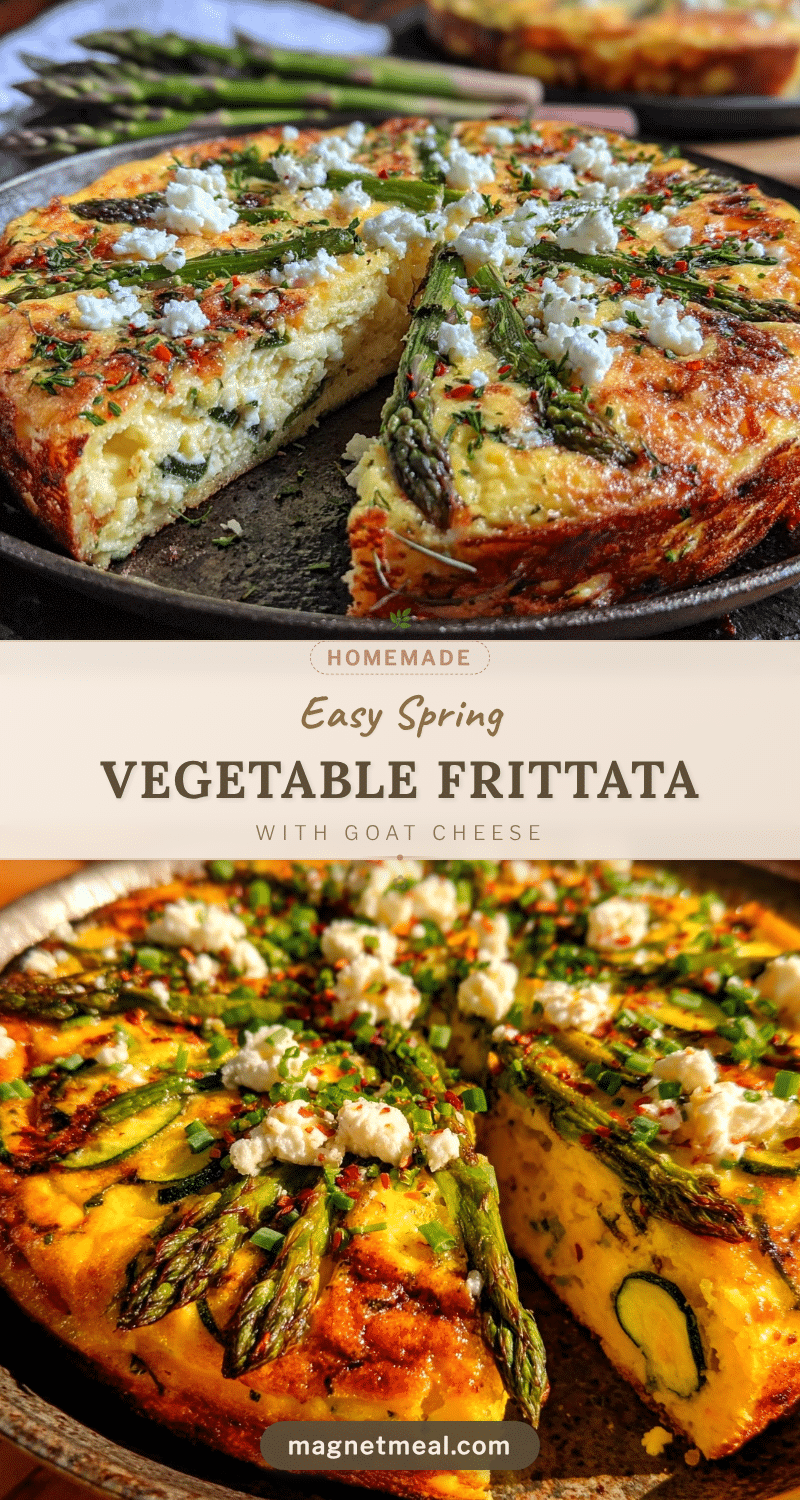
Easy Spring Vegetable Frittata with Goat Cheese

A fresh, light, and flavorful frittata featuring spring vegetables, creamy goat cheese, and fresh herbs, perfect for a healthy brunch or light dinner.
- Prep Time: 10 minutes
- Cook Time: 20 minutes
- Total Time: 30 minutes
- Yield: 4 servings 1x
- Category: Main Course
- Cuisine: American
Ingredients
- 6 large eggs (room temperature)
- 4 oz (115 g) goat cheese, crumbled
- 1 cup (130 g) asparagus, trimmed and cut into 1-inch pieces
- 1/2 cup (75 g) fresh peas, shelled or frozen (thawed)
- 2 stalks green onion, thinly sliced
- 2 tablespoons fresh herbs (parsley, chives, tarragon), chopped
- 2 tablespoons olive oil
- 1 clove garlic, minced
- Salt and pepper, to taste
- 1/4 cup (60 ml) heavy cream or milk (optional)
Instructions
- Preheat your oven to 375°F (190°C).
- Prepare the vegetables: trim and cut asparagus into 1-inch pieces, shell peas or thaw frozen ones, slice green onions thinly, mince garlic, and chop fresh herbs.
- Heat olive oil in an oven-safe skillet over medium heat. Add asparagus and peas and cook for 4-5 minutes until tender but bright green.
- Add green onions and garlic and sauté for another minute until fragrant. Season lightly with salt and pepper.
- In a mixing bowl, whisk together eggs and heavy cream or milk until pale and slightly frothy. Season with salt and pepper.
- Gently fold crumbled goat cheese and chopped herbs into the egg mixture.
- Pour the egg mixture evenly over the sautéed vegetables in the skillet. Tilt the pan to distribute evenly.
- Cook on stovetop over medium-low heat for 4-5 minutes until edges start to set but center is still loose.
- Transfer the skillet to the preheated oven and bake for 10-12 minutes until puffed, golden on top, and a toothpick inserted in the center comes out clean.
- Remove from oven and let rest for 5 minutes to firm up.
- Cut into wedges and serve warm or at room temperature.
Notes
Use room temperature eggs and cream for better texture. Avoid overcooking vegetables to keep them crisp-tender. Let the frittata rest after baking for easier slicing. If edges cook faster than center, loosen sides with a spatula midway through baking. For dairy-free, omit goat cheese or substitute with plant-based cheese.
Nutrition
- Serving Size: 1/4 of the frittata
- Calories: 275
- Sugar: 3
- Sodium: 320
- Fat: 20
- Saturated Fat: 7
- Carbohydrates: 6
- Fiber: 2
- Protein: 18
Keywords: spring vegetable frittata, goat cheese frittata, healthy brunch, easy frittata recipe, spring vegetables, light dinner, vegetarian