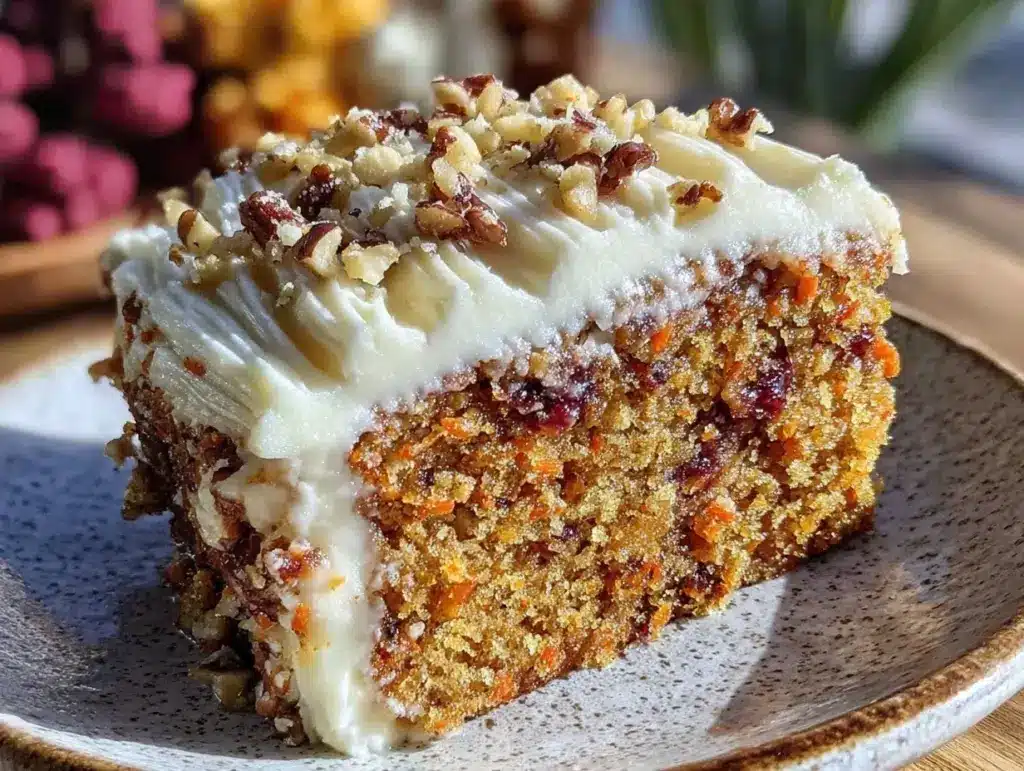
“Are you sure this is gluten-free?” my skeptical friend asked as I slid the warm carrot cake across the table. Honestly, I was half-expecting some raised eyebrows, but instead, she took a bite and paused. That pause, the one where she wasn’t sure if she should say something or just enjoy, turned into a slow, satisfied smile. This moist gluten-free carrot cake with brown butter cream cheese frosting was born out of a late-night craving and a stubborn refusal to settle for dry, crumbly alternatives.
I remember fiddling with the recipe multiple times that week, tweaking the flour mix and the frosting, trying to get that perfect balance between a tender crumb and rich flavor. The brown butter frosting? Pure magic. It started as an experiment—just a small pat of butter left to brown while I prepped the batter—but it quickly became the showstopper. The nutty, caramel notes paired with the tangy cream cheese made the whole cake sing.
This recipe stuck with me because it shattered my expectations of what gluten-free carrot cake could be. It’s not just a substitute; it’s a cake you’ll want to make again, whether you avoid gluten or not. And if you’ve ever wondered if a gluten-free carrot cake can be moist, flavorful, and downright indulgent, I promise this one delivers. No compromises here, just a sweet, cozy slice of comfort you can trust.
Why You’ll Love This Recipe
After testing dozens of variations, this moist gluten-free carrot cake recipe with easy brown butter frosting stands out for a few reasons that really make it a keeper:
- Quick & Easy: The whole process takes about 1 hour from start to finish, perfect for those busy afternoons when you want something special without fuss.
- Simple Ingredients: No need for obscure gluten-free blends—just a handful of pantry staples and a trusty gluten-free flour mix you probably already have.
- Perfect for Celebrations: Whether it’s a birthday or a casual Sunday coffee, this cake fits right in, much like the stunning pink and green ombre birthday cake I made last year that wowed everyone.
- Crowd-Pleaser: Gluten-sensitive or not, the moist texture and rich brown butter cream cheese frosting always get compliments.
- Unbelievably Delicious: The toasted butter flavor in the frosting adds depth that you don’t get with plain cream cheese frosting. Honestly, it’s the kind of frosting you might just eat by the spoonful.
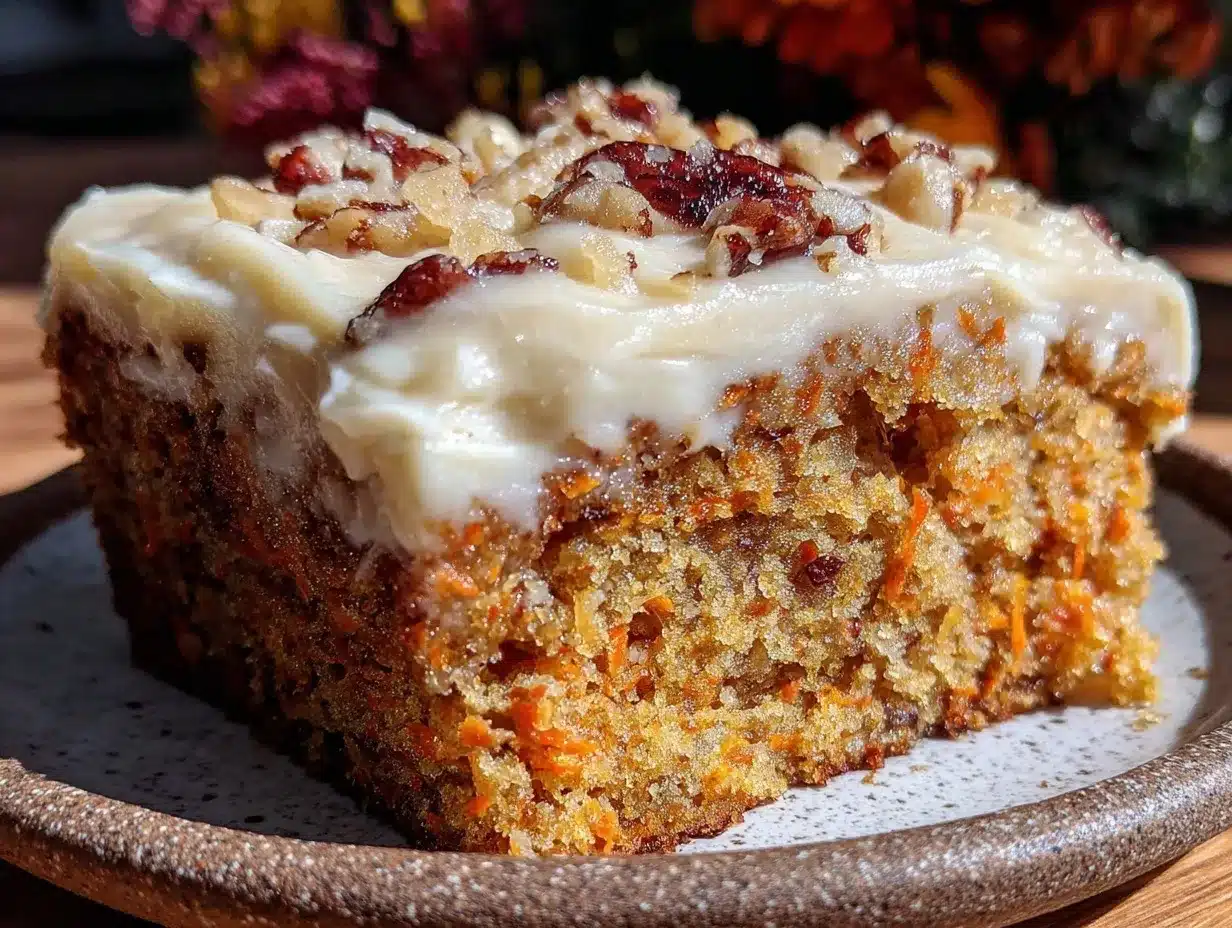
What sets this carrot cake apart is the balance of moistness and texture. The grated carrots keep it tender, while the mix of almond and gluten-free flours adds a subtle nuttiness. Plus, the brown butter frosting isn’t just a topping—it’s a flavor experience that turns a humble carrot cake into something special. After making this, I realized that gluten-free baking doesn’t have to mean sacrificing taste or texture, which was a big personal win.
What Ingredients You Will Need
This recipe uses straightforward, wholesome ingredients to deliver bold flavor and a satisfying texture without any fuss. Most are pantry staples, and you can swap a few items if needed—more on that below.
- For the Cake:
- 1 ½ cups gluten-free all-purpose flour blend (I prefer Bob’s Red Mill for best texture)
- ½ cup almond flour (adds moistness and subtle nuttiness)
- 1 teaspoon baking soda
- 1 teaspoon baking powder (gluten-free)
- ½ teaspoon ground cinnamon (warm spice essential to carrot cake)
- ¼ teaspoon ground nutmeg (optional, but recommended for depth)
- ¼ teaspoon salt
- 3 large eggs, room temperature
- ½ cup coconut sugar or brown sugar (adds natural sweetness and moisture)
- ½ cup vegetable oil (or mild olive oil for a lighter taste)
- 1 teaspoon pure vanilla extract
- 1 ½ cups finely grated carrots (about 3 medium carrots; fresh is best)
- ½ cup crushed pineapple, drained (optional, boosts moistness)
- ½ cup chopped walnuts or pecans (toasted for extra flavor)
- For the Brown Butter Cream Cheese Frosting:
- ½ cup unsalted butter (1 stick)
- 8 ounces cream cheese, softened (Philadelphia brand works great)
- 2 cups powdered sugar, sifted
- 1 teaspoon vanilla extract
- Pinch of salt
For substitutions, you can switch almond flour with oat flour if nut allergies are a concern. Use dairy-free cream cheese and coconut oil in place of butter for a vegan twist. In summer, fresh grated carrots shine best, but in winter, shredded frozen carrots work well too—just thaw and drain excess water.
Equipment Needed
- 9-inch round cake pans (two) or a 9×13-inch pan if you prefer a single-layer cake.
- Electric mixer or stand mixer (hand mixing is possible but a mixer saves time and ensures smooth frosting).
- Mixing bowls (preferably one large and one medium).
- Grater or food processor (for finely shredding carrots).
- Measuring cups and spoons (accuracy matters, especially for gluten-free baking).
- Spatula (silicone is ideal for scraping batter and folding in ingredients).
- Small saucepan (for browning butter).
If you don’t have a stand mixer, a handheld mixer or even a sturdy whisk works fine, though the frosting might take a bit more elbow grease. For the pans, I’ve found that non-stick or well-greased pans prevent sticking, which can be a pain with gluten-free cakes. And yes, browning butter in a stainless steel pan is best so you can watch the color change closely without burning.
Preparation Method
- Preheat your oven to 350°F (175°C). Grease and flour two 9-inch round cake pans with gluten-free flour or line them with parchment paper for easy release.
- Brown the butter: In a small saucepan over medium heat, melt the ½ cup of unsalted butter. Stir frequently as it foams and begins to turn golden brown with nutty aromas (this will take about 5-7 minutes). Immediately pour into a heatproof bowl and let cool slightly while preparing the batter. Watch closely so it doesn’t burn, or you’ll get a bitter taste.
- Mix dry ingredients: In a large bowl, whisk together the gluten-free flour blend, almond flour, baking soda, baking powder, cinnamon, nutmeg, and salt until evenly combined. This step ensures your leavening agents are well distributed, avoiding any uneven rising.
- Combine wet ingredients: In a separate bowl, beat the eggs and sugar together until light and slightly fluffy (about 2 minutes with an electric mixer). Add the cooled brown butter, vegetable oil, and vanilla extract, mixing until smooth. You’ll notice the batter becomes silkier with the addition of brown butter.
- Incorporate wet and dry mixtures: Gradually add the dry ingredients to the wet, folding gently with a spatula until just combined. Avoid overmixing—gluten-free flours can get gummy if handled too much.
- Fold in carrots, pineapple, and nuts: Stir in the grated carrots, drained crushed pineapple, and chopped nuts until evenly distributed. The pineapple is my secret weapon for extra moisture, but if you’re not a fan, you can leave it out.
- Divide batter: Pour the batter evenly into the prepared pans, smoothing the tops with a spatula. The batter will be thick but spreadable.
- Bake: Place pans in the oven and bake for 30-35 minutes, or until a toothpick inserted in the center comes out clean or with just a few moist crumbs. Don’t overbake, or the cake will dry out.
- Cool: Let the cakes cool in the pans for 10 minutes, then turn out onto wire racks to cool completely before frosting. Patience here is key—frosting warm cake causes melting and sliding.
- Make the frosting: In a mixer bowl, beat the softened cream cheese until smooth. Add the cooled brown butter, powdered sugar, vanilla, and salt, beating until fluffy and spreadable. If the frosting is too soft, chill for 15 minutes.
- Assemble: Place one cake layer on your serving plate, spread a generous amount of frosting on top, then place the second layer and cover the whole cake with remaining frosting. Smooth with a spatula or create swirls for a rustic look.
If you want to speed up the process, baking this as a single 9×13-inch sheet cake works well too — just increase baking time to about 40-45 minutes and check doneness regularly. For a touch of flair, sprinkle chopped toasted walnuts on top after frosting.
Cooking Tips & Techniques
Getting gluten-free carrot cake just right can be a bit tricky, but these tips will help you avoid common pitfalls:
- Don’t skip the brown butter: It’s the flavor game-changer. Just watch it carefully because it can go from browned to burnt quickly.
- Grate carrots finely: Large chunks can make the cake uneven and affect the texture. I use the small side of my box grater or a food processor with a shredding blade.
- Room temperature ingredients: Eggs and cream cheese should be at room temp to blend smoothly, preventing lumps and ensuring even texture.
- Measure flour correctly: Spoon and level your gluten-free flour rather than scooping directly to avoid dense batter.
- Folding technique: When combining wet and dry, fold gently to prevent overworking the batter, which can make the cake tough.
- Cooling matters: Frost only when cake is completely cool to avoid melting or sliding frosting.
- Test doneness: Use a thin toothpick or cake tester to avoid pulling out large chunks that can create holes.
- Multitasking: You can brown the butter while prepping dry ingredients to save time.
I’ve learned through a few attempts that rushing the cooling stage leads to a frosting mess — so I promise, a bit of patience here pays off big time. If the frosting feels too soft, a quick chill tightens it up without losing that creamy texture.
Variations & Adaptations
This carrot cake is flexible enough to fit different dietary needs or flavor preferences:
- Vegan option: Replace eggs with flax eggs (1 tablespoon ground flaxseed + 3 tablespoons water per egg) and swap cream cheese and butter with plant-based alternatives like vegan cream cheese and coconut oil.
- Spiced up: Add ½ teaspoon ground ginger or cardamom for a warm, aromatic twist that complements the cinnamon and nutmeg.
- Fruit swap: Instead of pineapple, fold in ½ cup grated apple or mashed banana for natural sweetness and moisture.
- Nut-free: Omit nuts or replace with sunflower seeds if allergies are a concern.
- Mini cakes or cupcakes: Bake in muffin tins for 18-20 minutes at 350°F (175°C), perfect for portion control or parties.
One variation I tried recently was adding shredded zucchini alongside the carrots, which made it even more moist and added a subtle green speckle that surprised my guests. It’s a great way to sneak in extra veggies without changing flavors much.
Serving & Storage Suggestions
This carrot cake shines best served at room temperature, allowing the frosting to be soft and luscious. I like to slice it into generous wedges and pair with a hot cup of chai or coffee for a cozy afternoon treat.
If you want to serve it chilled, give it a few minutes to soften at room temp after removing from the fridge so the frosting isn’t too stiff.
Store leftover cake covered tightly in the refrigerator for up to 4 days. The flavors actually deepen a bit after a day or two, and the texture stays moist thanks to the brown butter frosting’s richness.
For longer storage, wrap the cake well in plastic wrap and foil, then freeze for up to 2 months. Thaw in the refrigerator overnight and bring back to room temperature before serving.
For a gathering, this cake pairs beautifully with lightly spiced beverages or a tangy fruit salad. If you’re in the mood for more homemade baked treats, you might enjoy trying the pink velvet cheesecake swirl brownies for a contrasting flavor profile.
Nutritional Information & Benefits
This moist gluten-free carrot cake offers a treat that’s a bit friendlier to sensitive stomachs without skimping on flavor. Here’s a rough estimate per serving (1 slice, 1/12th of cake):
| Calories | 320 |
|---|---|
| Fat | 22g (mostly from healthy nuts and butter) |
| Carbohydrates | 27g (includes natural sugars from carrots and pineapple) |
| Protein | 5g |
| Fiber | 3g |
Carrots provide beta-carotene and fiber, while the nuts add healthy fats and protein. Using gluten-free flours can help those with gluten sensitivities avoid digestive discomfort. The brown butter adds a dose of antioxidants from the browned milk solids, making this frosting a bit more special than your average cream cheese topping.
Keep in mind this cake contains nuts, eggs, and dairy, so it’s not suitable for all allergen concerns without substitutions. From a wellness perspective, it’s a nice balance of indulgence and nutrition, especially compared to many store-bought gluten-free desserts.
Conclusion
This moist gluten-free carrot cake with brown butter cream cheese frosting has become a quiet favorite in my kitchen, not just because it’s delicious, but because it proves gluten-free baking can be anything but boring. Whether you’re baking for someone with gluten intolerance or just craving a comforting slice, this cake adapts well and delivers every time.
Feel free to tweak the spices or swap ingredients to suit your taste—there’s room to make it your own. I love how the toasted butter frosting adds a grown-up twist that makes each bite memorable.
Give this recipe a try, and I’d love to hear how it turns out for you. Maybe you’ll find it’s the kind of cake that gets requested again and again, just like the garlic butter shrimp ramen that I keep coming back to for a quick dinner fix. Happy baking!
FAQs
Can I make this carrot cake dairy-free?
Yes! Use a dairy-free cream cheese and substitute the butter with coconut oil or a vegan butter alternative. The cake itself is already oil-based, so no worries there.
What gluten-free flour blend works best?
A blend with xanthan gum included works well to mimic gluten’s structure. I prefer Bob’s Red Mill Gluten-Free 1-to-1 Baking Flour for consistent results.
How should I store leftover carrot cake?
Keep it covered in the fridge for up to 4 days. For longer storage, wrap tightly and freeze for up to 2 months.
Can I make this cake ahead of time?
Absolutely. Bake the cake layers a day ahead and store them wrapped in the fridge. Frost just before serving for the best texture.
Is it possible to make this cake nut-free?
Yes, simply omit the nuts or replace them with seeds like pumpkin or sunflower seeds. The texture might be slightly different, but it will still be delicious.
Pin This Recipe!
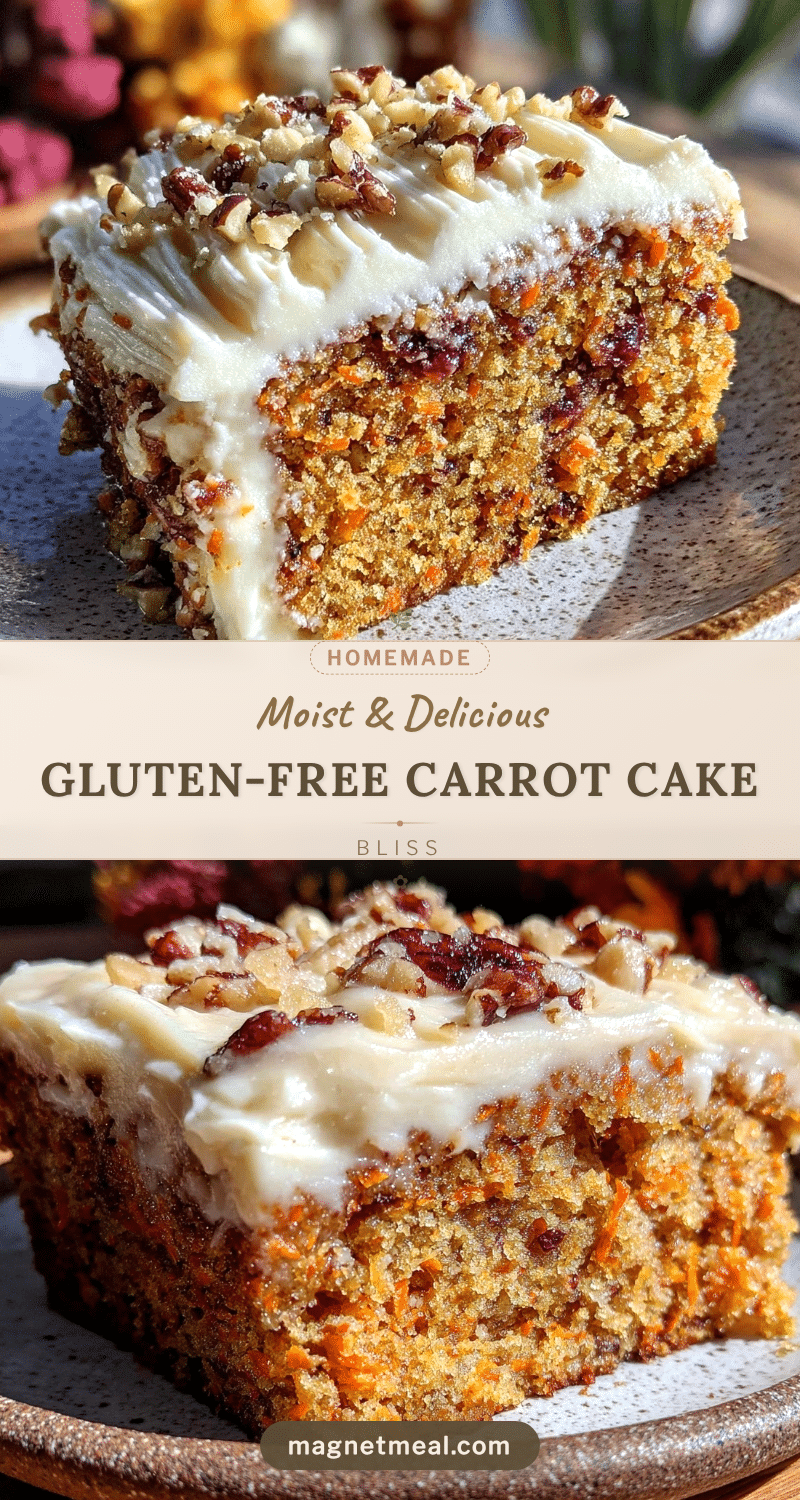
Moist Gluten-Free Carrot Cake Recipe with Easy Brown Butter Frosting
A moist and flavorful gluten-free carrot cake topped with a rich brown butter cream cheese frosting. Perfectly tender with a subtle nuttiness and a deliciously indulgent frosting.
- Prep Time: 20 minutes
- Cook Time: 35 minutes
- Total Time: 55 minutes
- Yield: 12 servings 1x
- Category: Dessert
- Cuisine: American
Ingredients
- 1 ½ cups gluten-free all-purpose flour blend
- ½ cup almond flour
- 1 teaspoon baking soda
- 1 teaspoon gluten-free baking powder
- ½ teaspoon ground cinnamon
- ¼ teaspoon ground nutmeg (optional)
- ¼ teaspoon salt
- 3 large eggs, room temperature
- ½ cup coconut sugar or brown sugar
- ½ cup vegetable oil or mild olive oil
- 1 teaspoon pure vanilla extract
- 1 ½ cups finely grated carrots (about 3 medium carrots)
- ½ cup crushed pineapple, drained (optional)
- ½ cup chopped walnuts or pecans, toasted
- ½ cup unsalted butter (1 stick)
- 8 ounces cream cheese, softened
- 2 cups powdered sugar, sifted
- 1 teaspoon vanilla extract
- Pinch of salt
Instructions
- Preheat oven to 350°F (175°C). Grease and flour two 9-inch round cake pans with gluten-free flour or line with parchment paper.
- Brown the butter in a small saucepan over medium heat, stirring frequently until golden brown and nutty (5-7 minutes). Pour into a heatproof bowl and let cool slightly.
- In a large bowl, whisk together gluten-free flour blend, almond flour, baking soda, baking powder, cinnamon, nutmeg, and salt.
- In a separate bowl, beat eggs and sugar until light and fluffy (about 2 minutes). Add cooled brown butter, vegetable oil, and vanilla extract; mix until smooth.
- Gradually fold dry ingredients into wet ingredients until just combined, avoiding overmixing.
- Fold in grated carrots, drained pineapple, and chopped nuts until evenly distributed.
- Divide batter evenly between prepared pans and smooth tops.
- Bake for 30-35 minutes or until a toothpick inserted in the center comes out clean or with a few moist crumbs.
- Cool cakes in pans for 10 minutes, then turn out onto wire racks to cool completely.
- For frosting, beat softened cream cheese until smooth. Add cooled brown butter, powdered sugar, vanilla, and salt; beat until fluffy and spreadable. Chill 15 minutes if too soft.
- Assemble cake by spreading frosting on one layer, topping with second layer, and covering entire cake with remaining frosting. Smooth or create swirls as desired.
Notes
[‘Watch the brown butter carefully to avoid burning.’, ‘Grate carrots finely for best texture.’, ‘Use room temperature eggs and cream cheese for smooth mixing.’, ‘Spoon and level gluten-free flour for accurate measurement.’, ‘Fold batter gently to avoid toughness.’, ‘Cool cake completely before frosting to prevent melting.’, ‘Use a thin toothpick to test doneness.’, ‘Baking as a single 9×13-inch cake requires 40-45 minutes baking time.’, ‘Chill frosting if too soft before spreading.’]
Nutrition
- Serving Size: 1 slice (1/12th of c
- Calories: 320
- Fat: 22
- Carbohydrates: 27
- Fiber: 3
- Protein: 5
Keywords: gluten-free carrot cake, brown butter frosting, dairy-free option, vegan carrot cake, nut-free carrot cake, moist carrot cake, easy carrot cake recipe